安盛亮相2026北京CBD国际金融论坛,坚定看好中国市场长期发展机遇 AXA Takes the Stage at 2026 Beijing CBD International Financial Forum, Stands Firm on Long-term Growth Opportunities in China’s Market
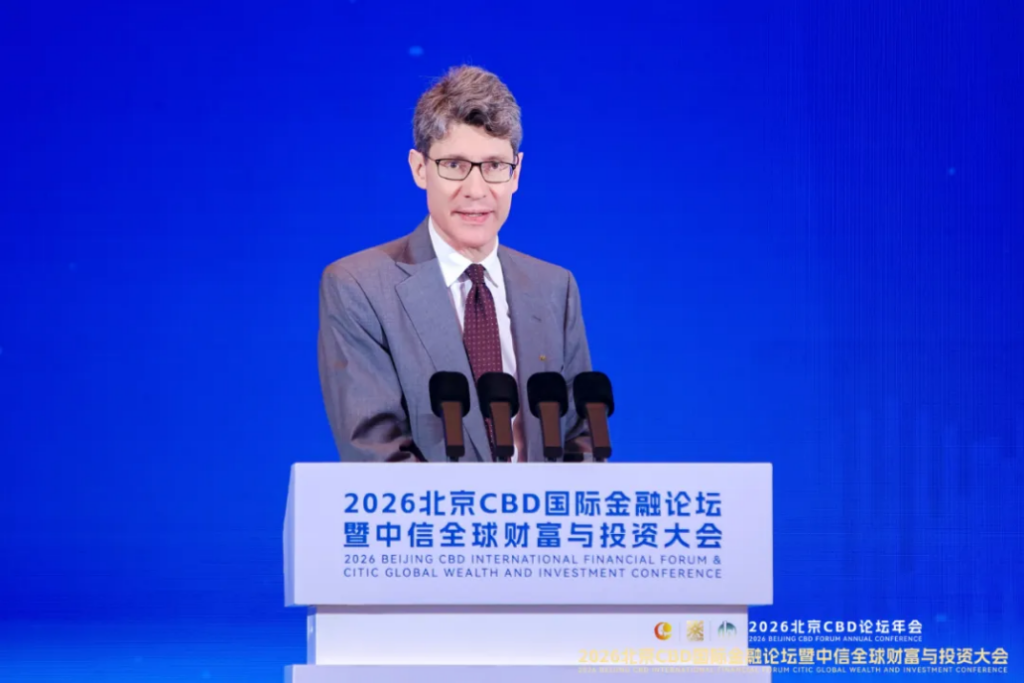
June 17 witnessed the convening of the 2026 Beijing CBD International Financial Forum & CITIC Global Wealth and Investment Conference in Beijing. Centered on the theme “Wealth Fuels Growth, Investment Shapes the Future”, the forum gathered nearly 400 distinguished guests from financial, technological and research institutions worldwide to jointly explore new opportunities for global investment cooperation and long-term asset allocation. Relevant officials from the Beijing Municipal Government, CITIC Group, Chaoyang District and financial regulatory authorities attended the event, with a host of industry experts delivering keynote speeches. As a key international participant, AXA Group made a prominent appearance, sharing in-depth insights into global investment and sending a clear signal of its unwavering commitment to deepening its footprint in China’s market.
At the forum, Mr. Boris Moutier, Chief Investment Officer of AXA Asia, delivered a keynote address. He stated that investment acts as a catalyst for global growth. Against the backdrop of elevated interest rates and inflation, persistent market volatility and shifting fiscal policies, artificial intelligence has emerged as a pivotal driving force for economies and markets. While AI rollout unlocks investment opportunities spanning data centers and energy infrastructure, it also brings disruptive business models, overcapacity risks and existential challenges to market players.
Amid mounting global uncertainties and a shortage of high-quality safe-haven assets, China’s market has continuously revitalized economic growth momentum through new quality productive forces, demonstrating remarkable counter-cyclical resilience. It has become a premium allocation option for global institutions to diversify risks and optimize multi-asset portfolios. Drawing on AXA’s 27 years of on-the-ground operational experience in China, Mr. Boris Moutier further elaborated that the Group has built a full industrial chain covering property & casualty insurance, life insurance and reinsurance, accumulating extensive local operation and investment expertise while witnessing the long-term growth potential of China’s market firsthand.
Looking ahead, Mr. Boris Moutier emphasized AXA’s enduring and firm optimism about China’s market prospects. The Group will continue to leverage insurance patient capital as a “market stabilizer”, focusing on high-quality development of the real economy and green low-carbon sectors. He also expressed gratitude to the Chaoyang District Government for establishing this high-end financial exchange platform. AXA will keep acting as a bridge linking Chinese and foreign financial markets to facilitate high-level opening-up of China’s financial sector.
安盛受邀出席北外滩财富与文化论坛 以全球资源服务上海国际金融中心建设 AXA Attends North Bund Fortune and Culture Forum Leveraging Global Resources to Support the Development of Shanghai as an International Financial Center
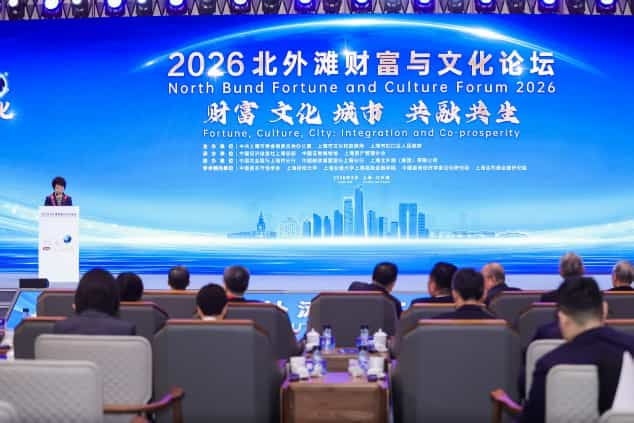
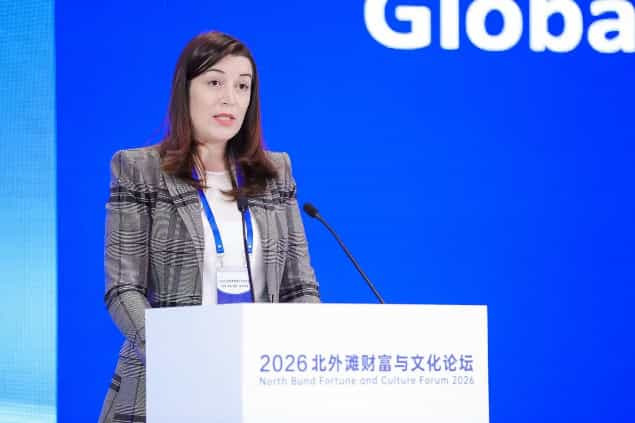
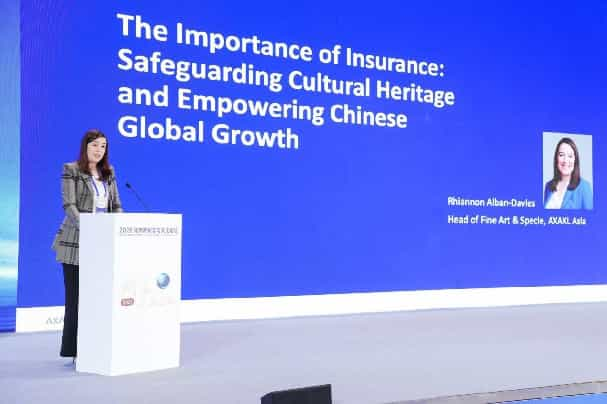
On March 28, 2026, the 2026 North Bund Fortune and Culture Forum themed Fortune, Culture, City: Integration and Co-prosperity was grandly held at the “World Living Room” in North Bund, Hongkou District, Shanghai. Rhiannon Alban-Davies, Head of Fine Art & Specie, AXA XL Asia, delivered a keynote speech. Kevin CHOR, CEO of AXA Tianping Property & Casualty Insurance Co., Ltd., Siyuan Dai, Chief Marketing Officer, and Anna Shi, Fine Art Insurance Director, attended the forum as invited guests. They joined experts from finance, culture and policy research sectors to jointly explore new paths for advancing Shanghai’s development as an international financial center.
Two-way Empowerment of Finance and Culture to Elevate Urban Competitiveness
Co-hosted by the Financial Work Committee of CPC Shanghai Municipal Committee, Shanghai Municipal Administration of Culture and Tourism, and Hongkou District People’s Government, the forum aims to discuss how to boost Shanghai’s core urban competitiveness through two-way integration of financial wealth and cultural industries during the 15th Five-Year Plan period. Wu Wei, Member of the Standing Committee of CPC Shanghai Municipal Committee and Executive Vice Mayor, stated in his address that the development of Shanghai as an international financial center needs further support from cultural soft power to deepen the integration of finance and culture.
As the only foreign keynote speaker invited, Rhiannon Alban-Davies delivered a speech on behalf of the AXA Group. She noted that the assets underwritten by AXA represent not merely financial wealth, but the crystallization of human creativity. Drawing on the Group’s global network and technological strengths, AXA Tianping acts as a key risk management partner for Chinese enterprises going global, providing critical support for cross-border trade protection, overseas asset safeguarding and cultural exchange promotion.
As the only foreign keynote speaker invited, Rhiannon Alban-Davies delivered a speech on behalf of the AXA Group. She noted that the assets underwritten by AXA represent not merely financial wealth, but the crystallization of human creativity. Drawing on the Group’s global network and technological strengths, AXA Tianping acts as a key risk management partner for Chinese enterprises going global, providing critical support for cross-border trade protection, overseas asset safeguarding and cultural exchange promotion.
Strategic Positioning: AXA Tianping as a Connecting Bridge
As an emerging international financial hub, Shanghai’s development orientation of integrated wealth and cultural development aligns closely with AXA Tianping’s strategic direction. AXA Tianping will fully leverage its dual strengths of “global resources + local bridge”, introduce the Group’s best practices in fine art insurance and cross-border risk management, support the development of Shanghai’s Five Global Centers, and help Chinese enterprises navigate global expansion with steady footing.
AXA Tianping’s in-depth participation in this forum underscores its increasingly prominent bridging role in supporting national strategies and advancing the Group’s global layout. Moving forward, backed by the robust support of the AXA Group, the company will continue to contribute professional expertise to elevate Shanghai’s urban development capacity.
融通世界,福见未来:安盛天平护航闽企出海 共享“一带一路”发展新机遇 Connecting the World, Embracing a Promising Future: AXA Tianping Empowers Fujian Enterprises to Go Global and Seize New Development Opportunities Under the Belt and Road Initiative
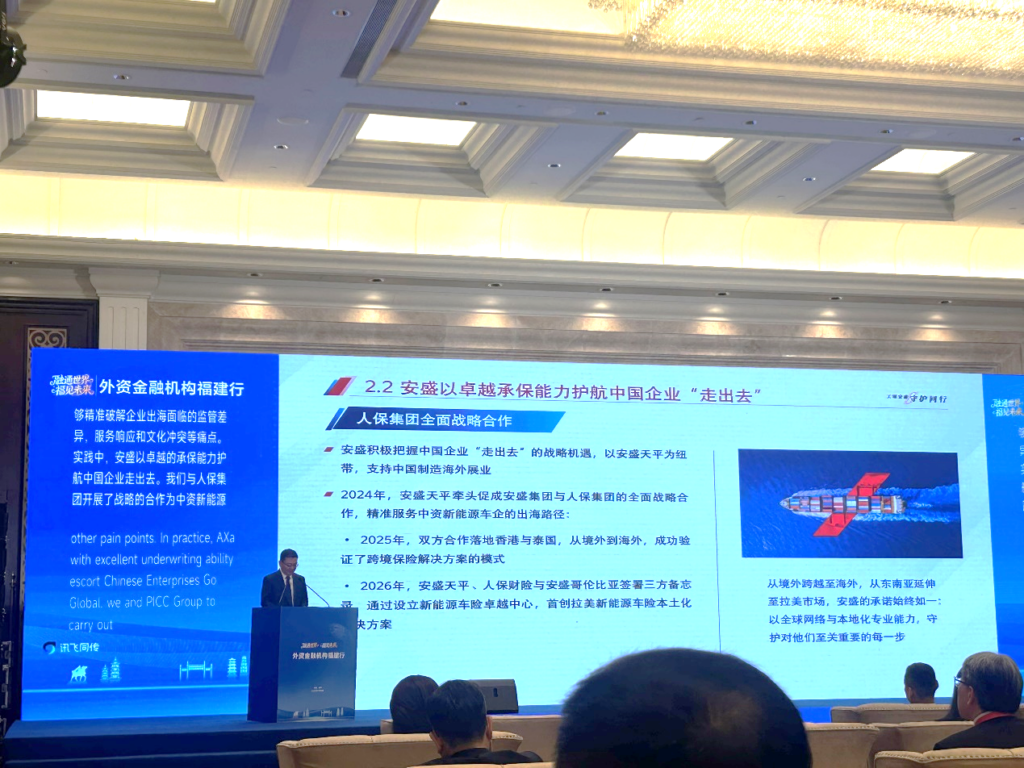
From April 7 to 9, 2026, the “Connecting the World, Embracing a Promising Future” Foreign-Funded Financial Institutions Fujian Tour was successfully held. Senior representatives of AXA’s China entities were invited to attend the event, including Wang Dufu, Chairman of ICBC-AXA Life, Dai Siyuan, Chief Marketing Officer of AXA Tianping, and Dong Wangxiong, Deputy General Manager of AXA Tianping Fujian Branch. They joined distinguished guests from all sectors to discuss how financial services fuel the development of the real economy. During the event, Mr. Wang Dufu delivered a keynote speech as a representative of foreign-funded financial institutions, elaborating on how AXA Tianping acts as a vital bridge to translate AXA Group’s global network resources into robust momentum supporting Chinese enterprises—especially those from Fujian—to “go global”.
The Foreign-Funded Financial Institutions Fujian Tour was guided by the International Department of the State Administration of Financial Regulation, and co-hosted by the Fujian Provincial Financial Regulatory Bureau, Financial Work Office of the CPC Fujian Provincial Committee, Fujian Provincial Development and Reform Commission, Fujian Provincial Department of Commerce, Fuzhou Municipal People’s Government, Quanzhou Municipal People’s Government, China Banking Association, China Insurance Industry Association and Shanghai Banking Association. The event aims to build a communication and cooperation platform between government and enterprises, leverage the global service networks and cross-border financial service strengths of foreign-funded financial institutions, and facilitate Fujian enterprises’ overseas expansion.
Global Network, China-Tailored Solutions: AXA Group’s Strategic Anchor
As a world-leading insurance group, AXA operates across 52 countries and regions, serving approximately 92 million clients. It stands as a witness, participant and beneficiary of high-level opening-up in China’s financial sector. Within China, AXA Group has built a full-spectrum financial service capability through diversified operational entities including ICBC-AXA Life, AXA Tianping and AXA XL Reinsurance.
In his speech titled Pooling Global Insurance Expertise to Support Fujian’s High-Level Opening-Up, Chairman Wang Dufu noted that AXA Tianping—the sole wholly-owned property & casualty subsidiary of AXA Group in China and one of the country’s top foreign-funded P&C insurers—serves as a core hub under the Group’s “Global Network + China-Tailored Solutions” strategy. AXA Tianping not only translates the Group’s global expertise for the Chinese market, but also acts as a key channel to feed local Chinese market insights and practices back into the global AXA network.
Superior Underwriting, Targeted Risk Protection: From Strategic Partnership to Model Innovation
As Chinese enterprises expand their global footprint, AXA Group stands fully prepared to become a long-term, trusted partner specializing in risk management for Chinese companies pursuing internationalization—with AXA Tianping at the forefront of delivering this commitment.
A landmark initiative is the comprehensive strategic partnership between AXA Group and PICC, brokered by AXA Tianping. Tailored to meet the overseas expansion demands of China’s new energy vehicle manufacturers, this collaboration has forged a replicable, scalable innovation model featuring “Local Policy Issuance, Global Service Coverage”:
In 2025, the partnership launched its first operations in Hong Kong and Thailand, verifying the viability of cross-border insurance solutions.
In 2026, the cooperation deepened further. AXA Tianping, PICC Property and Casualty and AXA Colombia signed a tripartite memorandum of understanding to establish a New Energy Vehicle Insurance Center of Excellence, pioneering localized new energy vehicle insurance solutions for Latin America. This initiative extends AXA’s service coverage from Asia to Latin America, delivering accessible, affordable and fully compliant risk protection for Chinese brands operating in emerging markets.
This groundbreaking cooperation between two industry giants does more than safeguard Chinese new energy vehicles on overseas roads. More fundamentally, it removes critical insurance and compliance barriers that prevent Chinese enterprises from establishing a systematic overseas presence, demonstrating the powerful synergy of a “global network paired with localized solutions”.
Beyond Motor Insurance: Full-Spectrum Support for Fujian Enterprises’ Global Layout
AXA Tianping’s service portfolio stretches far beyond new energy vehicle insurance. Drawing on AXA Group’s specialized global network and elite underwriting capabilities, it delivers customized, complex risk solutions for outbound enterprises across all industries. For instance, it provided comprehensive multi-jurisdictional, multi-modal transportation risk coverage for a multinational pharmaceutical group; leveraging underwriting capacity from AXA XL, the world’s largest commercial insurance arm of AXA Group, it delivered sophisticated product recall insurance for a leading small home appliance manufacturer.
Beyond risk protection, AXA Group’s diversified business lines channel long-term, stable “patient capital” to drive local economic growth. Take ICBC-AXA Asset Management as an example: its investment footprint in Fujian has reached RMB 13 billion, with major allocations to local government bonds and leading regional enterprises. The firm consistently injects capital vitality into local tech startups, striking a balance between social benefits and commercial returns.
2026 marks the launch year of the 15th Five-Year Plan. Building on the momentum of the Fujian Tour event, AXA Group and its Chinese affiliates including AXA Tianping and ICBC-AXA Life stand ready to fully harness insurance’s risk mitigation function and the unique long-term investment value of insurance capital. We will fully support Fujian enterprises in their steady global expansion, back Fujian’s efforts to develop a modern industrial system, and join hands with all partners across Fujian to write a new chapter of high-quality development.
陆家嘴论坛专访|左伟豪:以中外协同桥梁,护航新能源车险出海新征程 Lujiazui Forum Exclusive Interview | Mr. Kevin Chor: Building a Sino-Foreign Collaborative Bridge to Chart a New Voyage for New Energy Vehicle Insurance Overseas Expansion
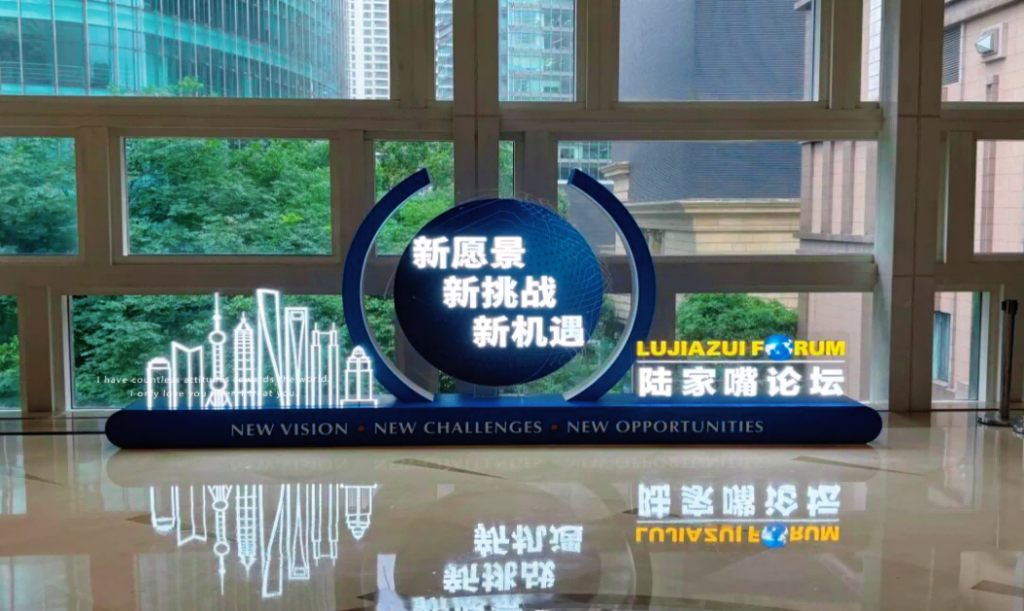
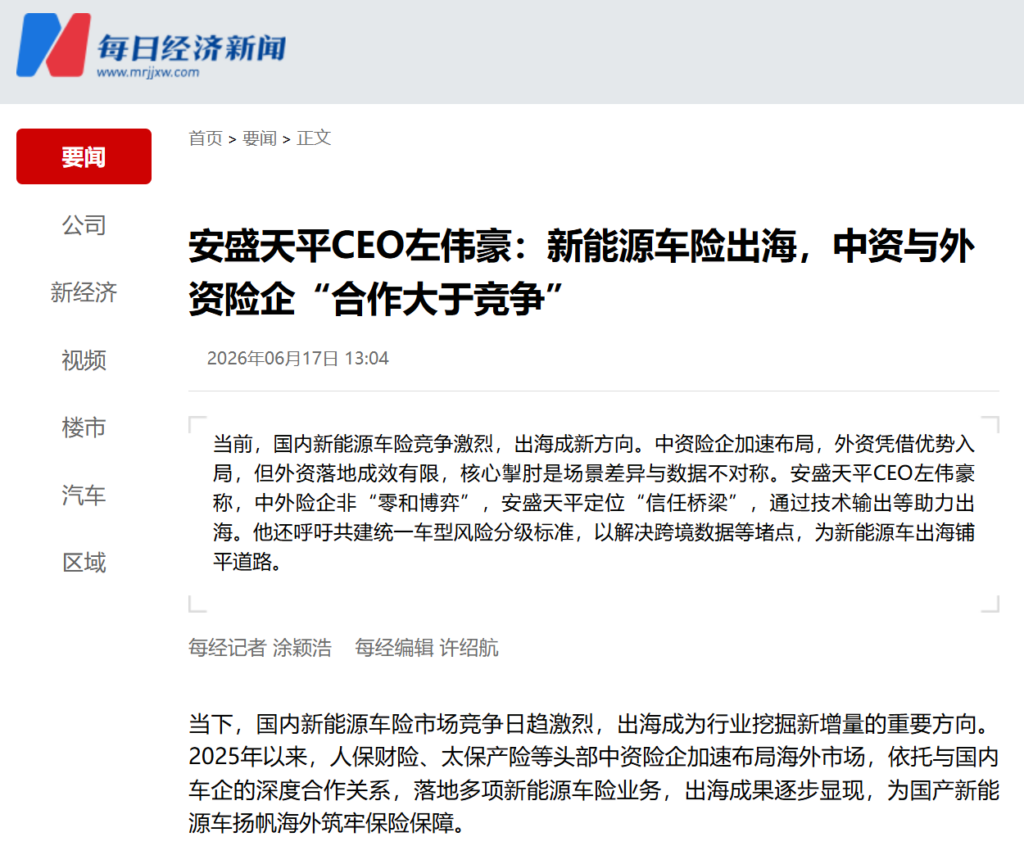
During the 2026 Lujiazui Forum, Mr. Kevin Chor, CEO of AXA Tianping, sat down for an exclusive interview with National Business Daily. He shared core insights on overseas expansion opportunities, industry pain points, and AXA Tianping’s differentiated development strategy for new energy vehicle insurance, clarifying the development roadmap for the company’s overseas business for all staff.
At present, competition in China’s domestic new energy vehicle insurance market has turned fierce, making overseas expansion a new growth frontier for the industry. Since 2025, major Chinese insurers including PICC Property and Casualty and CPIC Property & Casualty have accelerated their overseas layout. Leveraging in-depth partnerships with domestic automakers, they have launched a full suite of new energy vehicle insurance products overseas, delivering tangible results and providing robust risk protection for Chinese new energy vehicles venturing into global markets.
Against this backdrop, AXA Tianping has entered the track backed by AXA Group’s worldwide network. A key industry question has emerged: foreign insurers boast mature global risk control and compliance systems, yet their overseas rollout performance has fallen short of expectations. Are Chinese and foreign insurers rivals or collaborators? How can cross-border data gaps and regulatory barriers be dismantled?
Mr. Kevin Chor pointed out that foreign insurers’ limited overseas traction stems not from insufficient capacity, but from divergent local market scenarios and asymmetric cross-border data. Overseas markets lack granular underlying data covering failures of domestic three-electric systems, battery degradation, charging pile risks and other unique risks of Chinese EV models. This leaves overseas underwriters blind to the risk profiles of Chinese vehicles, resulting in conservative underwriting limits and overpriced premiums. In contrast, China leads the world in the new energy vehicle industry, possessing comprehensive risk models and pricing expertise that perfectly fill gaps in overseas markets.
This track is far from a zero-sum game; Chinese and foreign insurers thrive in symbiosis. Chinese insurers maintain deep ties with automakers and hold proprietary domestic risk data, yet lack on-the-ground service networks across global jurisdictions. Foreign insurers command worldwide compliance frameworks and cross-border claims channels, but lack risk data tailored to Chinese EV models. The two sides feature naturally complementary strengths. AXA Tianping positions itself as a “trust bridge” for the sector. Drawing on the Group’s global footprint, we export domestic EV data, risk models and pricing frameworks to eliminate information asymmetry for overseas underwriters, unlocking mature global underwriting capacity. We deliver end-to-end support for Chinese automakers expanding overseas, covering compliance market entry, holistic risk governance and expedited cross-border claims settlement.
To resolve long-standing industry bottlenecks around data fragmentation and inconsistent standards, Mr. Kevin Chor put forward a pivotal solution: jointly developing a unified national risk classification standard for vehicle models. Acting as a “digital passport” for Chinese EV exports, this standard aligns risk assessment frameworks across domestic and international markets, addressing pain points such as inflated overseas premiums and exorbitant cross-border communication costs. AXA Group stands ready to share decades of global classification expertise to align this standard with international norms, removing insurance-related roadblocks for Chinese automotive exports.
There is a common misconception that foreign insurers only play a supporting role. Mr. Kevin Chor clarified that overseas underwriters allocate limited resources largely due to the currently modest individual sales volume of each Chinese EV model abroad, rather than inadequate service capabilities. Instead of duplicating overseas service infrastructure, AXA Tianping adopts a differentiated model that empowers global networks with China’s domestic industry expertise. We deeply embed ourselves in the full industrial chain of Chinese EV exports to deliver irreplaceable hub value.
Looking ahead, the global market for Chinese new energy vehicle exports holds immense potential, and cross-border vehicle insurance stands as a core strategic growth pillar for our company. All team members shall capitalize on our Sino-foreign collaborative strengths, fulfill our role as an industry bridge and hub, and empower domestic automakers’ global expansion through data, technology and worldwide networks. Together, we will support China’s automotive industry to evolve from product exports to rule-setting exports, and seize unprecedented new opportunities in the global new energy vehicle insurance market.
破局存量,红海掘金:山东分公司燃油二手车车险转型实战复盘 Breaking Through the Existing Market and Finding Growth in a Red Ocean: A Practical Review of Shandong Branch’s Transformation in Fuel-Powered Used-Car Auto Insurance
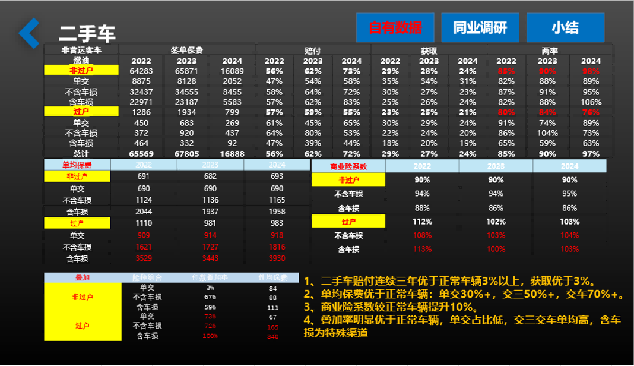
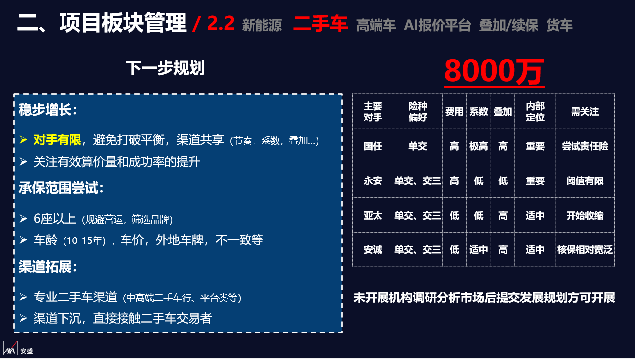
Facing industry pain points in used-car auto insurance, such as high moral hazard, complex risk factors, and difficulty in channel control, as well as the urgent need for stricter regulatory compliance and business structure optimization, Shandong Branch took the lead in 2024 by focusing on the fuel-powered used-car auto insurance segment and establishing a core strategy of “low commission and high pricing.”
Through in-depth market research, differentiated regional strategies, and the construction of an end-to-end risk control system, the branch achieved a 59% year-on-year increase in signed premiums. Its share of the company’s used-car business rose to 63%, while costs remained under control. This has created a replicable and implementable methodology for transforming existing business.
Branch Transformation Profile
Project Name: Fuel-Powered Used-Car Motor Insurance Transformation Project
Leading branch: Shandong Branch
Transformation Keywords: Breaking through the existing market, precise risk control, low commission and high pricing, deep distribution cultivation
Core Data Highlights:
Scale Growth: In 2025, the branch’s used-car signed premiums increased by 59% year-on-year.
Structural Contribution: Used-car business accounted for as much as 63% of the company’s total used-car business, up 12 percentage points from 2024.
Operating Quality: Policy costs achieved profitability, delivering both scale growth and efficiency improvement.
Interview with the Branch General Manager Mr. Wu Bo
“Low commission and high pricing is not a conservative choice. It is a proactive decision to move beyond extensive competition and return to long-term business management.”
Question 1: In 2024, most players in the industry were still expanding used-car motor insurance in an extensive manner. Why did you propose the core idea of “low commission and high pricing”?
Looking at the overall insurance market in 2024, most market players were still competing through commissions and market share, which led to persistently high industry expenses and shrinking profit margins. In addition, our company had already seen significant losses in its new energy vehicle business in 2023, while the “better quality, better commission” strategy ran counter to the current high-pressure regulatory environment.
Therefore, we chose “low commission” — strictly controlling distribution expenses, optimizing business costs, abandoning ineffective expenditure, and refusing to engage in vicious price wars. We shifted our operating focus from commission-based competition to service and risk control, thereby making costs controllable and operations sustainable.
We chose “high pricing” — under the premise of precise underwriting, focusing on high-quality business, improving pricing adequacy, selecting sound risks, and enhancing business quality. Ultimately, this creates a win-win outcome for the company, customers, and channels.
In essence, “low commission and high pricing” means moving beyond extensive competition and returning to a philosophy of long-term and healthy business management. It aligns with the head office’s strategic direction of high-quality development and is also a precise choice made in response to the regulatory environment and market competition pressures.
Question 2: When the headquarters identified fuel-powered used cars as a potential development direction, how did Shandong Branch quickly transform this from a “directional reference” into a localized implementation strategy, namely compulsory-only and compulsory-plus-third-party-liability products?
The key lay in rapid response and localized implementation.
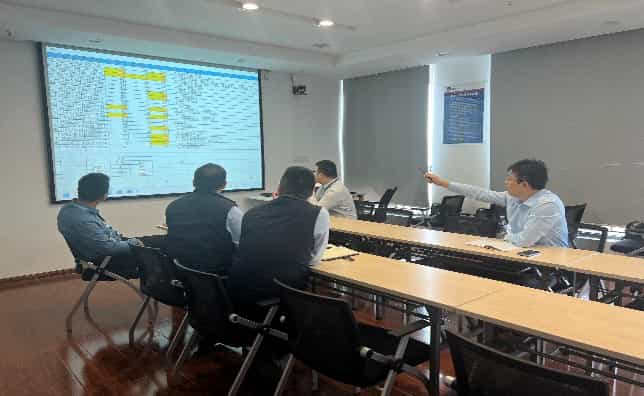
First, all staff went down to the front line to conduct research. The branch’s Sales Management Department and Motor Insurance Department worked together with motor insurance teams across prefecture-level institutions to conduct a comprehensive review of the local used-car market in Shandong. This included market size, vehicle source structure, car owner consumption habits, distribution cooperation models, and peer company cost structures.
Second, we precisely identified the main products and distribution strategy. Given the relatively high moral hazard in used-car business, the Auto Insurance Department fully considered the configuration of the claims team and then identified fuel-powered “compulsory-only” and “compulsory plus third-party liability” products as the main focus. We clarified the core business scenarios and product demand, optimized underwriting rules, and reasonably set underwriting conditions based on the risk characteristics of fuel-powered used cars. This improved quotation volume and conversion rates while keeping risks under strict control.
Finally, we rapidly launched institutional pilots and standardized implementation. We precisely connected with core distributions such as local used-car trading markets, leading used-car dealers, motor repair shops, and major intermediaries. We formulated underwriting rules and channel policies adapted to the Shandong market, and selected branches in Jinan, Weifang, Linyi, Dezhou, Liaocheng, and other areas for initial pilots. At the same time, we held a province-wide special meeting to communicate the strategy, clarify business objectives, operating standards, and assessment orientation, ensuring that implementation did not deviate from the intended direction.
Question 3: At the start of the project, the used-car market was highly mixed and moral hazard was frequent. How did you decide on the pace of “pilot first, strict control,” and how did you balance business expansion with risk prevention?
The used-car market involves complex market participants and vehicles of uneven quality. Moral hazards such as insurance fraud and false applications are prominent, which is a common industry challenge. If we had expanded blindly across the board, it would have been very easy to trigger large-scale risk losses, contradicting the original intention of high-quality development.
Therefore, based on sufficient research, repeated analysis, and prudent decision-making, we ultimately established a pace of “pilot first, strict control.” The core was to hold the risk bottom line and achieve a dynamic balance between business expansion and risk prevention.
Pilot first, adhering to “small-scale testing, refined improvement, and replicable promotion.” We prioritized key cities with a solid business foundation and mature risk control teams for pilot implementation. This allowed us to quickly verify the feasibility of the strategy and optimize it in time. We strictly screened business targets, clarified pilot scope, underwriting limits, and customer access standards, and did not blindly pursue scale. Through small-scale pilots, we refined risk control processes and accumulated risk handling experience before steadily replicating the model across the province, thereby reducing large-scale business risk from the source.
Closed-loop risk control, building an end-to-end risk management system. Relying on the company’s risk pricing and external risk control models, we conducted real-time verification of application information, vehicle condition, and historical claims data. We strengthened underwriting and approval controls to close loopholes in false insurance applications. We established a special risk control investigation team to strictly review claims cases involving used-car motor insurance and resolutely crack down on moral hazards such as insurance fraud. We also established a risk early-warning mechanism to monitor business data in real time. Once hidden risks were identified, rectification was immediately initiated to ensure that risks remained controllable.
We have always believed that risk control must come first in the development of used-car motor insurance. The pace of “pilot first, strict control” not only ensured steady and orderly business progress, but also firmly held the risk bottom line, enabling used-car insurance business to achieve sustainable and high-quality development under compliant and prudent conditions.
Interview with the Project Lead Mr. Hu Wei, Deputy General Manager of Shandong Branch
“Adapt to local conditions and let data speak. Starting from zero, we carved out a path that is monitorable, adjustable, and replicable.”
Question 1: When you received the project, the headquarters had only provided the development direction of fuel-powered used cars. There was no ready-made implementation plan, and the organization lacked internal operating experience. What is the most important lesson you would like to share?
First, seize policy and market opportunities while rationally assessing business risks.
Driven by the national strategy for new energy transformation, as well as national and provincial subsidies for vehicle trade-ins, the used-car market saw rapid growth in sales. Scenarios such as transfers between spouses and relatives emerged in large volumes. From an actual risk control perspective, these compliant transfer transactions did not show any obvious increase in risk. However, the overall risk of used cars is significantly higher than that of ordinary non-transferred vehicles, and there are many hidden moral hazards. This places extremely high demands on management capability and professional expertise, which also limits the number of market participants.
Based on this, we established a core principle: do not raise distribution commissions, do not disrupt the regional market, and rely on our mature management system, broad distribution reach, and flexible sales rhythm to steadily develop the business. We chose not to pursue an aggressive route.
Second, adopt differentiated operations according to local conditions and break through precisely based on the characteristics of each prefecture-level institution.
Used-car markets vary significantly from place to place, so one set of rules cannot be applied across the whole province. Take Linyi as an example. After the opening of the Lu W dual-license-plate policy in 2024, a large number of lucky and attractive plate numbers were released, prompting residents to compete for them. This created diverse scenarios such as using old cars to reserve plate numbers, transfers between spouses, transfers between parents and children, transfers from individuals to enterprises, and even transfers of dormant vehicles or transfers to minors. The actual risk of such vehicles did not increase significantly, but premium adequacy rose by more than 40%. Linyi Central Sub-branch accurately captured this window of opportunity, promptly optimized underwriting rules, and moderately relaxed restrictions on age and vehicle age for high-quality, sound business, thereby steadily capturing the market opportunity.
Another example is Jinan, which has Guazi Used Cars, one of the country’s leading used-car platforms. Weifang has Ant Good Car, a leading mid-to-high-end used-car platform in the province. Each prefecture-level market has its own resource endowment and market characteristics. We adhered to the principle of “one strategy for one branch” and pursued a diversified and differentiated development path rooted in local market characteristics.
Third, establish a standardized project management system and drive sound development through a data-based closed loop.
In the process of promoting the used-car project from scratch, we simultaneously built a mature management system covering branches, distributions, and projects across all dimensions. Relying on the advantages of our own systems, we established a data-based closed-loop management mechanism of “quotation volume monitoring — dynamic adjustment of underwriting approval rate — improvement of business conversion rate.” Guided by real data, we helped prefecture-level institutions optimize their operating rhythm, adjust underwriting standards, and improve conversion efficiency. This enabled used-car business to evolve from exploratory testing into a standardized operating model that is monitorable, adjustable, and replicable.
Question 2: To avoid moral hazard, the team personally visited used-car markets across Shandong for multiple rounds of special research. Which scenarios left the deepest impression on you? Was there any moment that overturned the team’s original judgment? How were these “surprises” ultimately transformed into localized risk control measures?
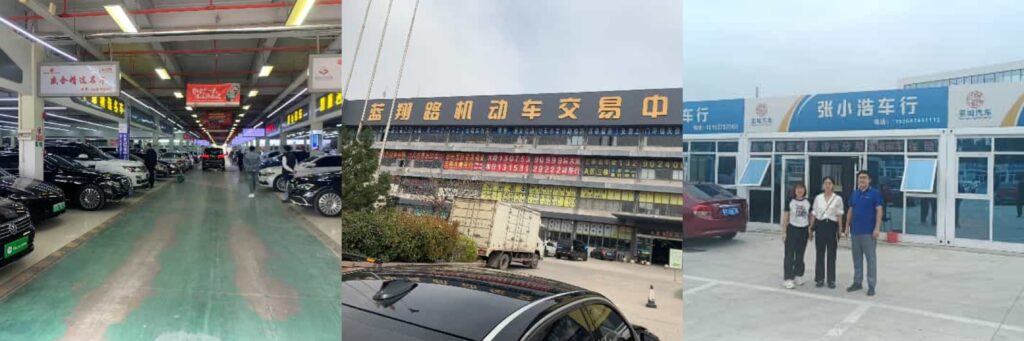
This research covered used-car trading markets and distribution centers across Shandong. The strongest feeling was that seeing is believing. Only on-site research can overturn assumptions and break through experience-based inertia. In particular, several scenarios — motor insurance fraud, manipulated transfers, and deliberate packaging of vehicle conditions — completely refreshed our conventional risk control logic and forced us to rebuild a localized risk control rule system.
Scenario 1: The disorder of “scheme-based vehicle clusters” involving concentrated batch transfers. Around used-car markets in many cities, there are large numbers of intermediary offices that handle ownership transfers, license plates, and auto insurance. Their operating model is not scattered single-vehicle transactions, but batch-based packaged operations. Transfers between spouses, transfers between parents and children, transfers from individuals to enterprises, and even batch transfers to minors or shell companies are all available. On the surface, these appear to be normal used-car transactions. In reality, dealers use transfer rules to whitewash vehicle conditions and isolate risks. Accident vehicles, odometer-tampered vehicles, and flood-damaged vehicles are repeatedly transferred to gradually dilute historical traces before being sold to end customers. The entire operation chain is mature and clearly divided in responsibilities, making it almost impossible to detect problems from ordinary vehicle records.
Scenario 2: Professional motor insurance fraud teams operating industrially and with strong concealment. This was the most shocking discovery during the research. There are professional black-market motor insurance fraud teams in the market, with precise division of labor and standardized processes. Some people specialize in acquiring problem vehicles, some modify vehicle conditions and mileage, some forge repair records, some connect with channels to complete insurance applications, and others specialize in planning subsequent false claims. These teams are highly familiar with the routine underwriting review points of insurance companies and can accurately avoid system risk control nodes. By exploiting information asymmetry in used cars and the fragmentation of transfer information, they package problem vehicles as ordinary personal-use vehicles for insurance, thereby profiting from premium differences and claims payouts. Their methods are highly localized, and conventional textbook-style risk control standards are almost ineffective.
Based on these frontline insights that overturned our previous understanding, we completely abandoned generic and template-based risk control logic and introduced targeted risk control measures tailored specifically to Shandong.
First, we implemented differentiated risk control standards by prefecture-level market. Combining the market characteristics of Linyi, Jinan, Weifang, and other areas, we avoided a one-size-fits-all approach across the province. For different regions, such as dual-license-plate cities, large used-car distribution centers, and mid-to-high-end used-car clusters, we customized underwriting policies and risk control intensity, achieving “one local risk control strategy for one region, and one rule for one type of scenario.”
Second, we built an internal risk case-sharing database. We organized and entered into the database all fraudulent methods, typical risk scenarios, and identification features discovered during the research. We also created four-dimensional risk control standards — “A, A1, B, and B1” — based on transfer and application time points. At the same time, we provided special training for institutional and channel frontline staff, helping them shift from “only looking at data” to “understanding the market, recognizing schemes, and identifying artificial packaging.” This comprehensively improved their ability to identify moral hazard and auto insurance fraud.
Question 3: The project required collaboration among pricing and underwriting, policy issuance, claims, sales management, and other departments. In the process of implementing “low commission and high pricing” and risk control, how did you break down departmental barriers and ensure unified standards and efficient coordination across departments?
We used “low commission and high pricing plus risk control” as the unified objective and established unified rules and processes. This integrated pricing and underwriting, policy issuance review, claims risk control, sales management, distribution management, and compliance risk control into “one closed-loop chain,” breaking down departmental barriers at the mechanism level.
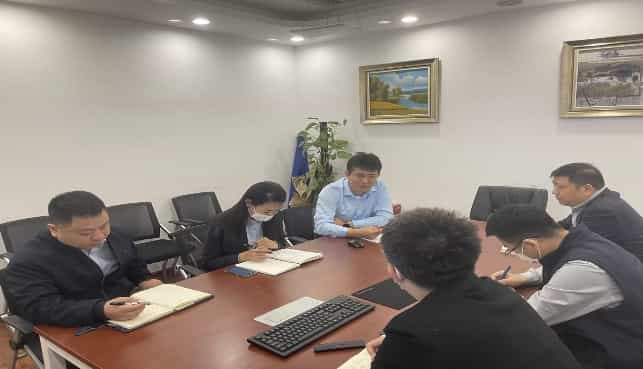
First, we established a special cross-departmental working group for used-car insurance. Led by the Sales Management Department, the group brought together pricing and underwriting, policy issuance review, claims risk control, sales management, distribution management, compliance risk control, and other departments. A fixed regular meeting mechanism was established, along with a new monthly business development monitoring report for this sector.
Second, we developed a unified execution strategy for used-car insurance. Based on the branch’s unified underwriting access standards, supplemented by institution-specific underwriting adjustments, and combined with a closed-loop risk control mechanism, we enabled claims data to feed back into underwriting and pricing, dynamically iterating execution standards.
The claims side established a used-car risk case database covering accident-prone vehicle models, high-frequency fraud channels, high-risk commercial-to-non-commercial vehicles, and inflated repair cases. This information was regularly shared with underwriting and sales management departments.
Pricing and underwriting dynamically adjusted rate factors and access thresholds based on claims risk data, and updated the execution manual accordingly. Sales management simultaneously adjusted channel business development directions.
Sales management implemented flow restrictions or suspended access for high-risk channels and high-risk business. This controlled business volume and risk from the source, ensuring that “low commission and high pricing” was implemented without blindly pursuing volume.
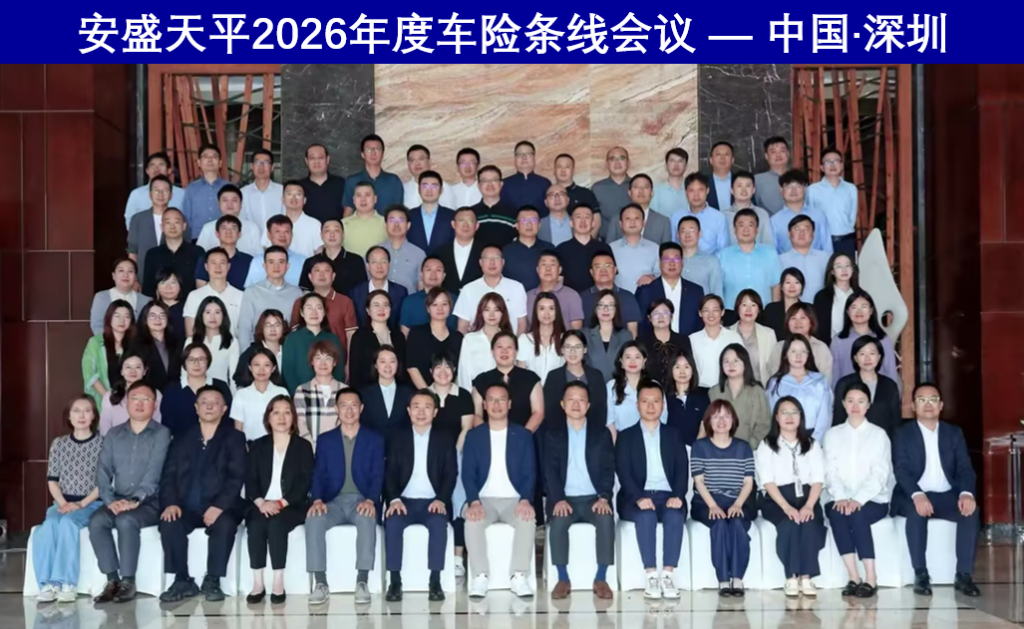
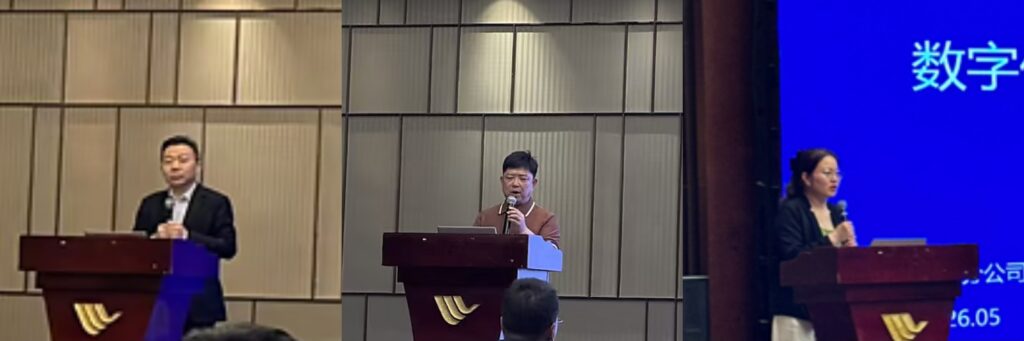
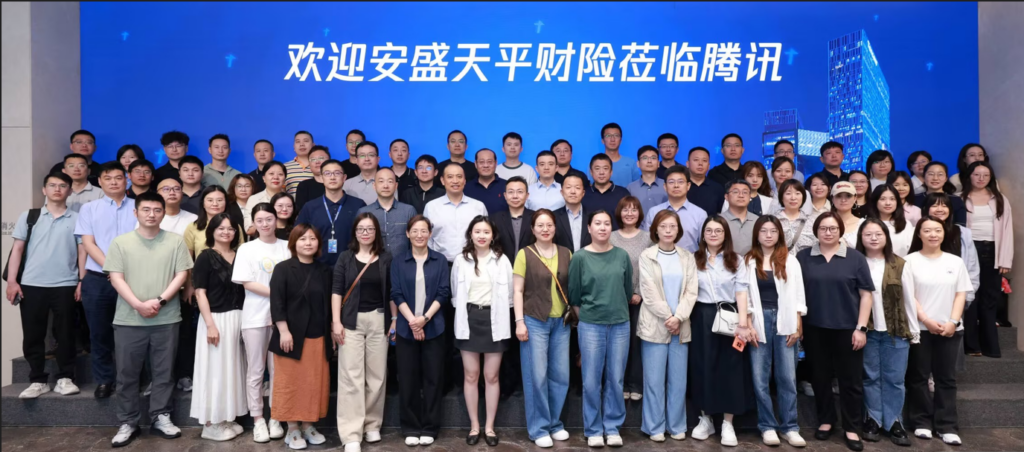
Held in Shenzhen from May 13 to 16, 2026, the 2026 Annual Work Conference for the Motor Insurance Line brought together authorized underwriters and core underwriting specialists from all branches, branch vice presidents in charge of motor insurance, top leaders of selected branches, as well as relevant teams from Headquarters and regional departments. All participants gathered to review operational progress, deploy key priorities, exchange work experience, and further clarify directions and consolidate foundations for high-quality development of auto insurance business.
This annual conference garnered high attention from the company’s senior management. Mr. Kevin Chor, Chief Executive Officer; Liancheng Zhou, Deputy General Manager & Chief Distribution Management and Sales Officer; Scott Yin, Assistant General Manager & Chief Actuary; Nan Du, Chief Human Resources Officer; Yuquan Bi, Chief Strategy Officer & Head of Branch Development Department, among other senior executives attended the conference and delivered important speeches.
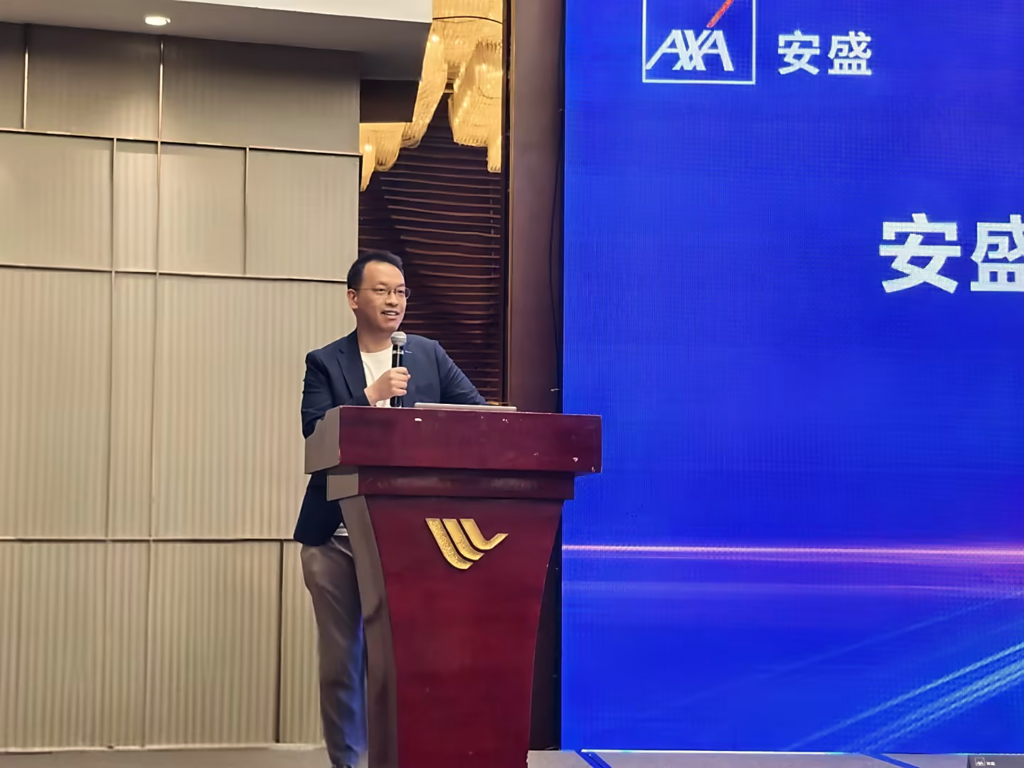
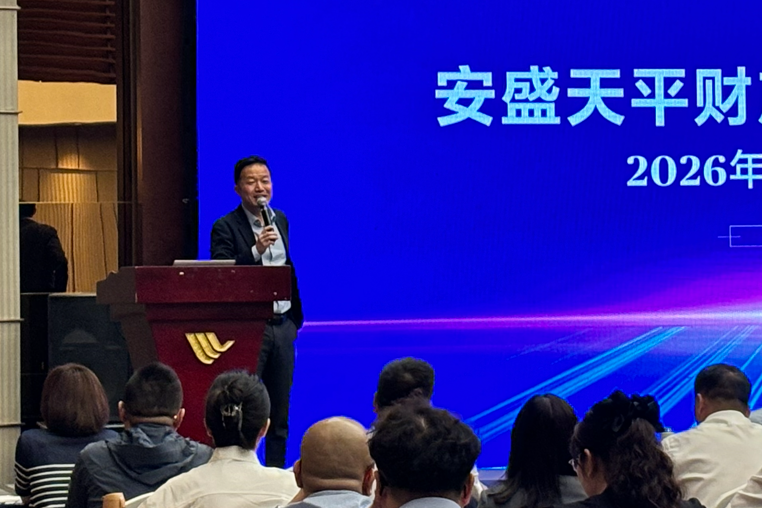
In his opening address, Mr. Kevin Chor fully recognized the achievements delivered by the motor insurance line over the past years. He pointed out that the motor insurance line has seen remarkable maturity growth in the past three years, delivering breakthroughs across business performance & cost control, capability building, and group influence. For the next phase, Mr. Kevin Chor put forward clear work requirements: the motor insurance business shall capture industry trends and market opportunities, balance short-term performance growth and long-term strategic layout, and steadily lift overall business profitability. He also set expectations for the professional growth of all motor insurance staff, stating that the company will ramp up constructive investment in motor insurance talent development to create more career advancement opportunities for employees.
Packed with valuable insights, the conference featured joint presentations by headquarters and branch teams. Nearly 100 nationwide motor insurance colleagues held in-depth discussions on themed reports covering business review & analysis, digital direct connection project, new energy vehicle insurance business, regulatory compliance management, auto insurance talent cultivation, and Xinghuo Vehicle Repair Service System development.
Headquarters executives and specialists reviewed the multi-year breakthroughs, current operational status, and progress of flagship projects from the group-wide strategic perspective, while communicating standardized competency criteria and talent development frameworks for auto insurance teams.
Leaders from each branch shared frontline practices tailored to regional market conditions, including digital competitive pricing strategies, quality control for new energy vehicle insurance, and regulatory threshold management & response. These shared cases enabled cross-regional experience exchange. Multiple branch top leaders also shared best practices for growing new-generation underwriting teams amid the current market landscape.
Rotating staff representatives shared personal growth takeaways and work insights from their cross-functional postings, fully demonstrating the auto insurance team’s enterprising, pragmatic and hardworking spirit.
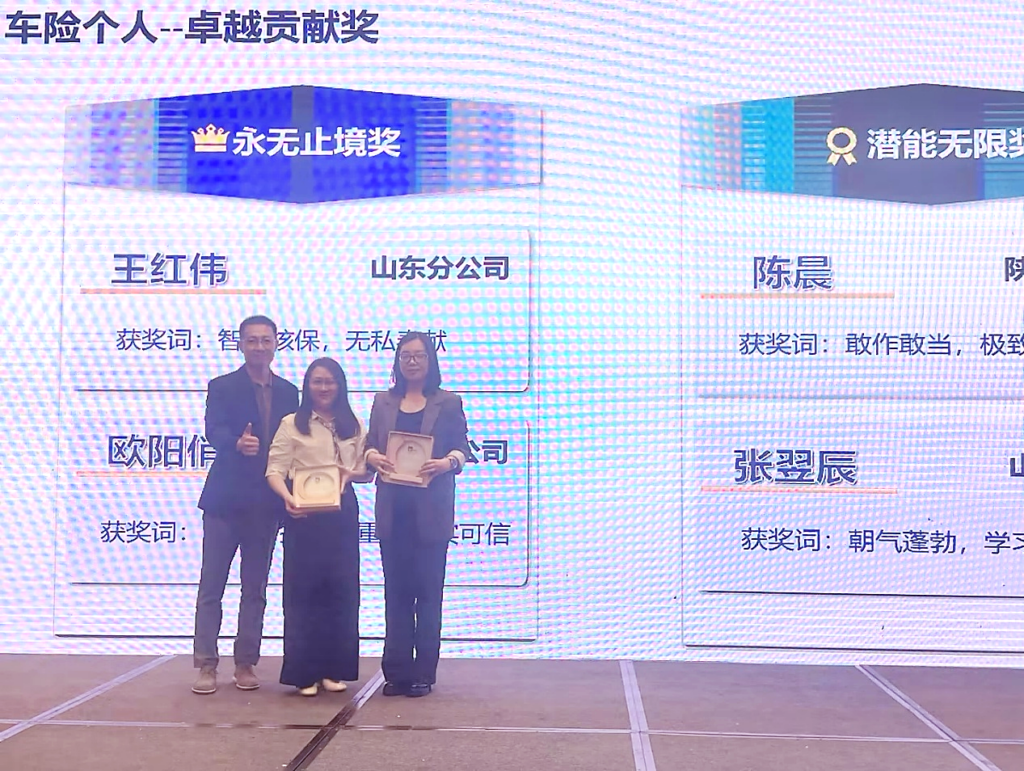
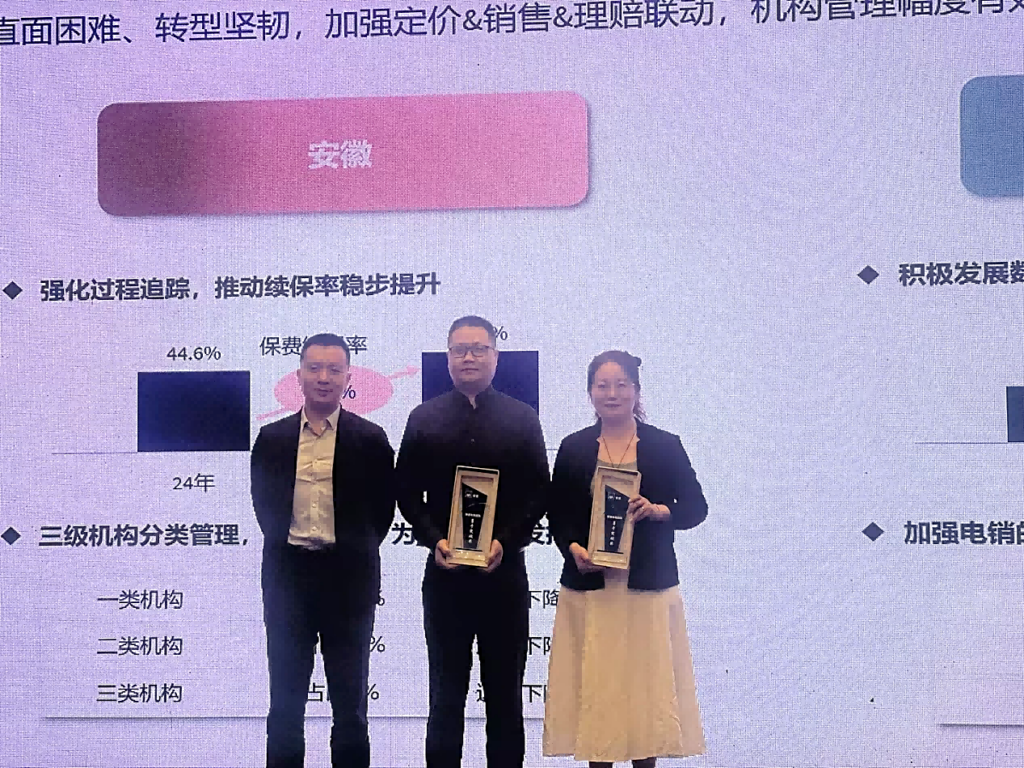
A grand award ceremony was held to recognize outstanding performers and set role models. Senior management presented three major honors to top-performing teams and individuals: the Excellence in Refinement Award, the Trailblazing Breakthrough Award, and the Outstanding Contribution Award. These awards acknowledged teams excelling in refined management and proactive transformation, as well as pragmatic, high-potential individuals, inspiring all auto insurance staff to strive for excellence and forge ahead with benchmark examples.
During the closing summary, Mr. Yin emphasized that the motor insurance business must deepen refined management, further optimize operational models, strictly control operating costs, and comprehensively consolidate the foundation for sustainable business growth. He required all underwriters to fulfill their duties from a holistic perspective, strictly uphold risk control benchmarks, optimize underwriting strategies, and proactively resolve challenges hindering business expansion. Meanwhile, he stressed that all branch leaders must prioritize long-term team development, provide sufficient training opportunities and career paths for subordinates, and build a robust talent pipeline to support business growth.
On May 15, all motor insurance conference participants visited Tencent WeSure and attended two special training sessions themed AI Applications and Future Outlook in the Financial Industry and AI Transformation Practices for Property & Casualty Insurance. The sessions broadened participants’ industry horizons and equipped the auto insurance team with new ideas and methodologies to drive digital and AI-enabled transformation.
Serving multi-fold purposes including annual review, strategic rollout, experience sharing and capability upgrading, this annual conference stands as both a retrospective to review achievements and diagnose operational challenges, and a mobilization assembly to align consensus and anchor new targets. Moving forward, all staff of the auto insurance line will fully implement all work arrangements outlined at this conference, strive to resolve pain points and bottlenecks in business development, and propel the high-quality growth of the Company’s motor insurance business to new heights.
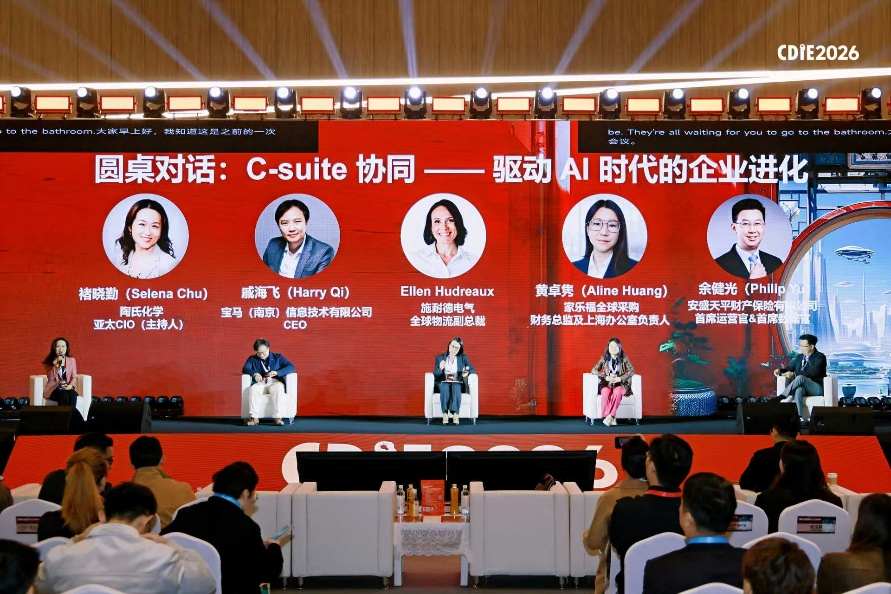
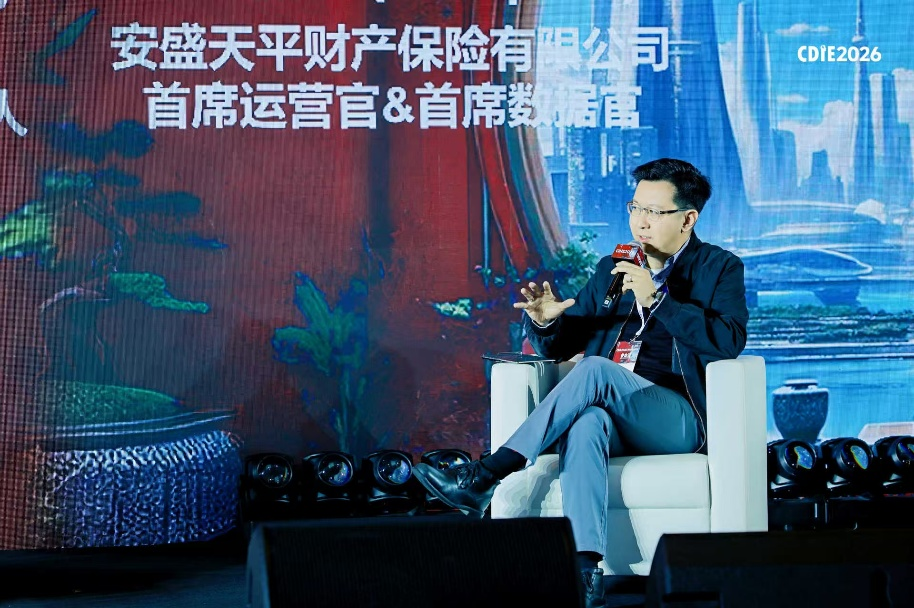
安盛天平首席运营官&首席数据官余健光先生受邀参会,并在活动主论坛——”C-suite协同:驱动AI时代的企业进化“中,代表金融行业与来自实业制造、消费零售等领域的商业领袖,围绕“如何将AI从技术概念转化为真实生产力”展开深度对话。交流中,余总针对保险行业数据敏感、监管严格的特点,介绍了安盛天平的 AI 落地实践——按照 “后端先行、内部优先、客户端审慎推进” 的原则稳步布局应用,通过自主搭建私有 AI 体系,严守安全合规底线。现阶段安盛天平以自主研发为主,未来成熟后将适时开展外部合作,平衡创新与生态协同。他同时建议企业 AI 转型应先夯实数据治理基础,积极拥抱数字化,让AI成为发展核心动力。
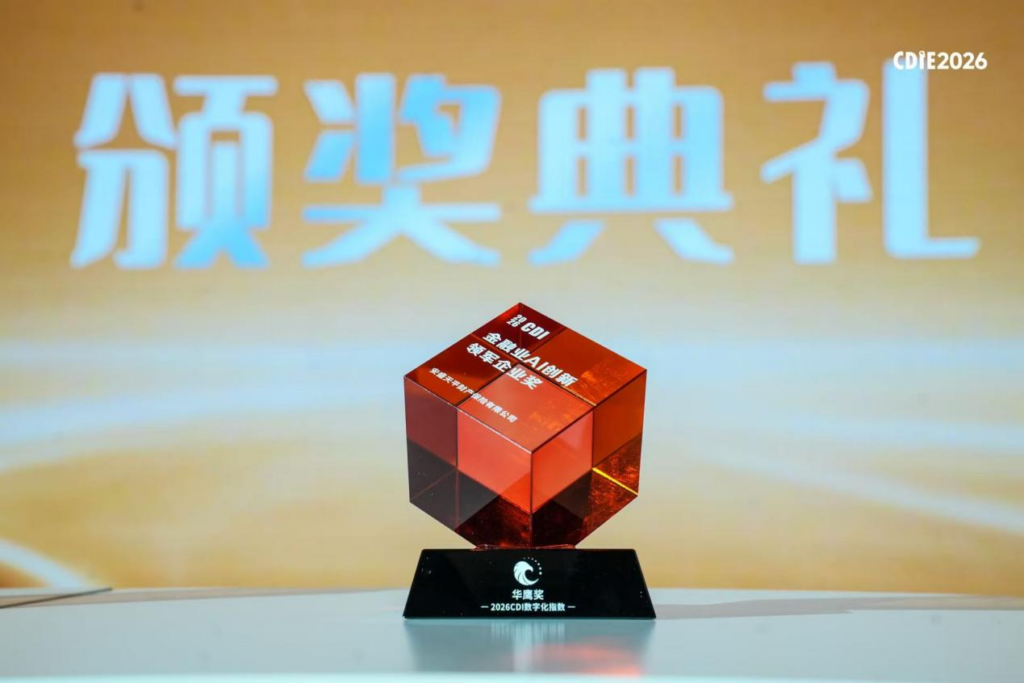
On April 14, 2026, at the main forum and award ceremony of the 12th CDIE Digital Innovation Expo held in Shanghai, AXA Tianping Property & Casualty Insurance Co., Ltd. was honored with the Leading Enterprise Award for AI Innovation in the Financial Industry for its innovative practices in artificial intelligence. This prestigious award not only serves as high recognition of AXA Tianping’s outstanding achievements in integrating AI technology with business operations, but also underscores its benchmark status in spearheading the intelligent transformation of the insurance sector.
Philip Yu, Chief Operating Officer & Chief Data Officer of AXA Tianping, attended the event as a guest speaker. During the main forum panel discussion themed C-suite Collaboration: Driving Corporate Evolution in the AI Era, he represented the financial industry alongside business leaders from manufacturing, consumer retail and other sectors, engaging in in-depth exchanges on “translating AI from a technical concept into tangible productivity”. During the discussion, addressing the insurance industry’s unique characteristics of sensitive data and stringent regulatory requirements, Mr. Yu shared AXA Tianping’s on-the-ground AI implementation roadmap. The company advances AI deployment steadily under the principle of “Backend-first, Internal Prioritization, Prudent Rollout for Client-facing Applications”. By building a proprietary private AI ecosystem in-house, AXA Tianping rigorously safeguards compliance and data security. At present, the company prioritizes independent R&D; it will explore external collaborations at a mature stage to strike a balance between technological innovation and ecosystem synergy. He also advised enterprises embarking on AI transformation to solidify data governance foundations and fully embrace digitalization, so that AI can become a core engine driving corporate growth.
AXA Tianping has long committed to deeply integrating AI technology across the full insurance value chain, reshaping every link ranging from risk insight and product development to customer service. The receipt of the Leading Enterprise Award for AI Innovation in the Financial Industry stands as authoritative validation of the company’s sustained investment in AI strategic planning and engineering-based application practices. It further motivates the team to forge ahead on the journey of AI-powered insurance protection, delivering a new era of intelligent, reassuring, efficient and streamlined service experiences for all customers.
First launched in 2015, the CDIE Digital Innovation Expo has evolved into one of China’s most authoritative and forward-looking summits dedicated to digital transformation. It acts as a high-end communication platform that continuously charts the trajectory of technological innovation, bridging global expertise with local industry practices in China.
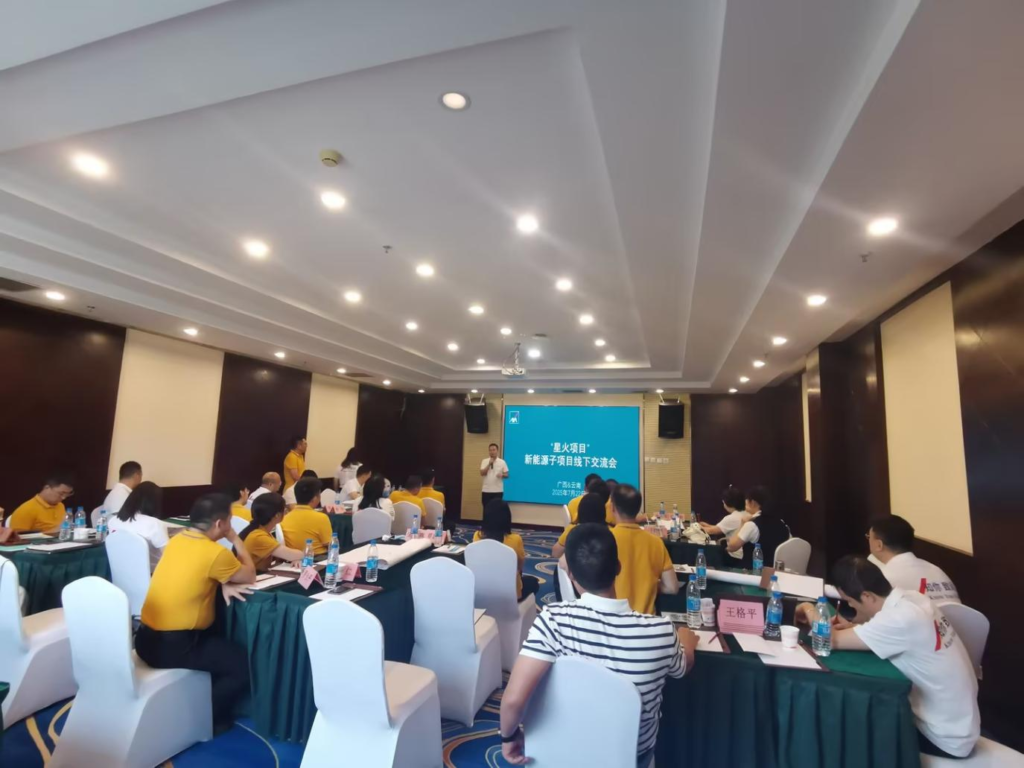
Against the backdrop of the booming new energy vehicle (NEV) market, its insurance business has become a field many insurance peers cautiously observe due to challenges such as immature risk models, insufficient data accumulation, and unpredictable claim costs.
Facing the unknown, Guangxi Branch chose an unconventional path, daring to try when others feared, and diving in headfirst. This courage to attempt has yielded substantial results: after promotion in the second half of 2024, 2025 achieved a written premium of 11.93 million yuan, with a target achievement rate of 113% and a year-on-year growth rate of 119%. This vividly illustrates that transformation is not a windfall to be waited for, but a path forged through proactive action.
BranchTransformation Profile
Project Name: New Energy Vehicle Insurance Project
Leading Branch: Guangxi Branch
Transformation Keywords: Courage to Try, Cross-Regional Engagement
Core Data Highlights: 2025 branchwritten premium of 11.93 million yuan, target achievement rate 113%, year-on-year growth rate 119% higher than the company average.
Interview with the Branch General Manager: Liang Youren
“This is a ‘differentiated, high-quality’ transformation path.”
Question 1: The high loss ratio of new energy vehicle insurance is a common challenge in the industry. Why did Guangxi Branch choose new energy vehicle insurance as the breakthrough point for transformation? During the project advancement, how did the institution recognize and assess this issue?
Answer:
Choosing to attempt the new energy vehicle insurance transformation in the second half of 2024 was based on our analysis of the motor insurance market.
First, it stemmed from our data insights and market foresight: In 2024, the penetration rate of new energy vehicles in Guangxi had exceeded 50%, leading the nation; Nanning and Liuzhou are important production bases for vehicle manufacturing and core component layout, providing a unique geographical advantage. Additionally, the local market has a high acceptance of new energy vehicles, with strong insurance demand and clear growth potential. Only by actively entering the market and seizing the initiative can we gain the right to select target business.
Second, it stemmed from our risk re-evaluation and proactive breakthrough. While the industry generally worries about high claim risks, we believe high loss ratios are a phased pain point, not an insurmountable barrier. By advancing the business in project form, we effectively broke down departmental barriers. Project team members uniformly followed the direction of “precise underwriting, lean claims handling, and meticulous management,” systematically collecting and accumulating first-hand data on underwriting, claims, and sales. We gradually established the data chain covering driver behavior, vehicle data, underwriting pricing, claims assessment, and risk control. This allowed us to transform some concentrated risks into controllable ones, ultimately achieving the goal of actively selecting business.
Finally, it stemmed from our strategic courage for proactive differentiated competition. When market players of similar scale were generally observing, we had already entered and laid out, completing underwriting tasks according to plan. When the industry became generally cautious, we had already accumulated data and optimized underwriting policies based on risk. Ultimately, through differentiated competition, we carved out a “differentiated, high-quality” transformation path suited to ourselves.
Question 2: Looking back, what were the three most critical management actions at the branch level? Which experiences have universal value for other branches’ transformation projects in 2026?
Answer:
The three most critical actions are: Setting the Tone, Breaking Down Barriers, and Allocating Resources. I believe these experiences have strong universal value for 2026 transformation projects.
Setting the Tone (Strategic Alignment): Clearly defining that new energy vehicle insurance is not a “trouble” for claims, nor a “chicken rib” for business, but a “new opportunity” for the company. During project advancement, the team gradually unified its thinking, with all members understanding that “today’s attempts are for tomorrow’s development.”
Breaking Down Barriers (Cross-Domain Collaboration): We established a dedicated project task force, breaking down departmental barriers. Business units promptly collected distribution demands and market dynamics to ensure information sharing. The claims department focused on collecting specialized data such as vehicle series, mileage, and driving habits to feed back into front-end pricing. The business management department conducted comprehensive data analysis, timely adjusted policies for precise business support, and fostered a cohesive team spirit for collaborative operations.
Allocating Resources (Error-Tolerant Mechanism): During transformation, the worst scenario is “expecting the horse to run fast without feeding it.” In addition to assigning departmental key members to the project, we established specific assessment requirements and room for error tolerance. We did not negate the entire effort due to short-term fluctuations in the loss ratio, allowing the project team to consistently maintain a positive working atmosphere of “willing to try, daring to adjust, and capable of innovating.”
Question 3: If you were to give three suggestions to other branches about to launch transformation projects in 2026, what would they be?
Answer:
Here are three suggestions for mutual encouragement:
Action in the field is more important than simulation. Don’t wait until you are “completely ready” to start. Data is never enough, and models are never perfect. You can only keep iterating forward through practical experience.
Grasp the balance point between risk control and business development. It’s better to be a bit slower and steadier, adhering to profitability principles to achieve high-quality, sustainable development of the project.
Team cohesion is more important than the plan. The manpower and resources required for transformation projects often need to be reallocated across departments. Only when the “top leader” steps forward to coordinate inputs and resolve conflicts can the project advance efficiently.
Interview with the Project Leader: Li Zhuojia
”Actively Learn, Actively Do, and Actively Connect”
Question 1: When you were assigned the task of leading the New Energy Vehicle Insurance Spark Project, what was your most genuine feeling at that moment?
Answer:
To be honest, my first reaction was a mix of excitement and concern.
I was excited about the company’s trust in me, offering such a valuable opportunity. I was apprehensive about the unknowns: how to focus on the target customer group, how to select target vehicle models, how to implement differentiated pricing, how to manage high-risk business, and so on. However, Mr. Liang’s words, “You go ahead and do it; I’ll take responsibility if there were any problems,” gave me a reassurance. This sense of trust shifted my mindset from “fearing failure” to “focusing on success,” allowing me to devote myself wholeheartedly to the project without distractions.
Question 2: The management of the loss ratio for new energy vehicle insurance often involves collaboration among underwriting, claims, sales, and other parties. How did the Guangxi branch break down departmental boundaries to form an integrated operational perspective?
Answer:
Guangxi Branch has long implemented job rotation training and departmental linkage requirements. Therefore, the project team specifically included members such as heads and key staff from major branches (Nanning, Liuzhou), the Business Management Department, and the Claims Department. We quickly reached a consensus on “preventing risks, ensuring costs, and promoting business.” We established highly effective cooperation mechanisms, including daily risk data sharing, regular weekly joint review meetings, and joint channel visits for communication. This allowed us to precisely identify target business and jointly drive business achievement. Simultaneously, with the guidance and support from the Headquarters and the selfless sharing from project institutions, we gained valuable experiences, including execution paths and management methods. We gradually formed a working model of channel priority quotation, underwriting policy front-loading, and risk pre-feedback, laying a solid foundation for subsequent NEV business promotion and claim cost control.
Question 3: For colleagues who will participate in transformation projects in 2026 who similarly lack project experience, what would you tell them if there were only one thing for you to share?
Answer:
What I want to say is: It’s ok if you don’t have any experience. As long as you “actively learn, actively do, and actively connect,” you will progress. For example, during the NEV project promotion, business management learned claims logic, claims learned business policies, and sales learned data principles. When everyone gathered, connecting from different fields, we found that the answers to previously puzzling problems often emerged in flashes of insight during exchanges with colleagues. As long as each person maintains initiative and strives to be a competent “connector,” we can work together to achieve the project’s collective goals.
Tip: For further information about the New Energy Vehicle Insurance Transformation Project, please contact: lizj1@axatp.com
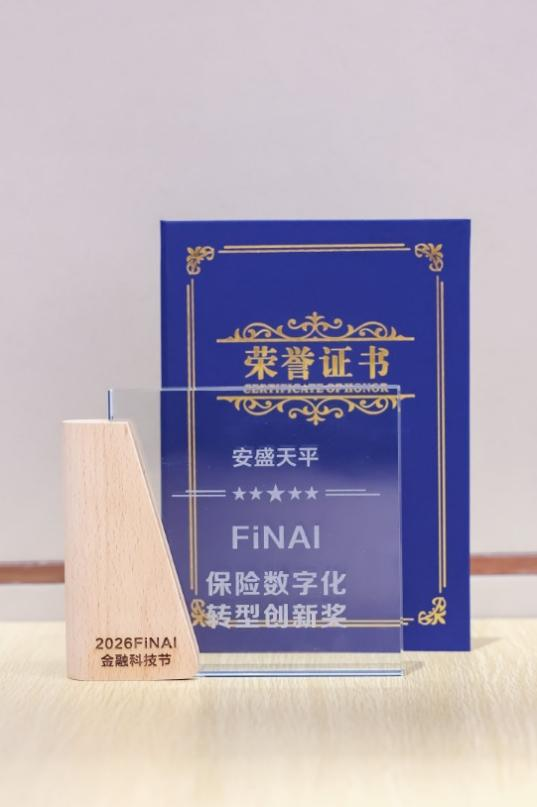
安盛天平荣膺“保险数字化转型创新奖” 数智实力闪耀上海金融科技节 AXA Tianping Recognized with “Insurance Digital Transformation Innovation Award” for Its Digital Intelligence Excellence at the Shanghai Fintech Festival
On March 20, 2026, the Shanghai Fintech Festival and the 17th InsurAI Insurance Artificial Intelligence Summit concluded successfully. AXA Tianping Property & Casualty Insurance Co., Ltd. (“AXA Tianping”) received the “FiNAL Insurance Digital Transformation Innovation Award” in recognition of its forward-looking digital strategy and outstanding achievements, further underscoring the company’s leading role in the industry’s digital transformation.
As AXA’s only fully owned property and casualty insurance company in China, AXA Tianping has actively aligned with the Group’s core strategy in the Chinese market, continuously increasing investment and advancing digital innovation initiatives. By fully implementing intelligent applications across multiple scenarios, the company has achieved both stronger platform conversion and improved operational efficiency, setting a successful example for the insurance industry’s digital transformation.
With a history of more than 200 years, AXA is a leading global insurance brand with strong confidence in the Chinese market. This award reflects the Group’s long-term commitment and technology empowerment in China. Through its practical achievements in three strategic areas—digital customer operations, digital direct sales enablement, and AI technology exploration—AXA Tianping has vividly demonstrated systematic innovation from platform development to the deployment of intelligent application scenarios, offering valuable practical insights for industry peers.
Looking ahead, AXA Tianping will continue to use digital intelligence innovation as a core growth engine and further deepen its efforts in product and service optimization, operational efficiency improvement, and advanced technology application. The company remains committed to delivering higher-quality and more efficient protection services to customers, contributing AXA’s expertise to the high-quality development of China’s insurance industry, and demonstrating through concrete actions its long-term commitment to the Chinese market.
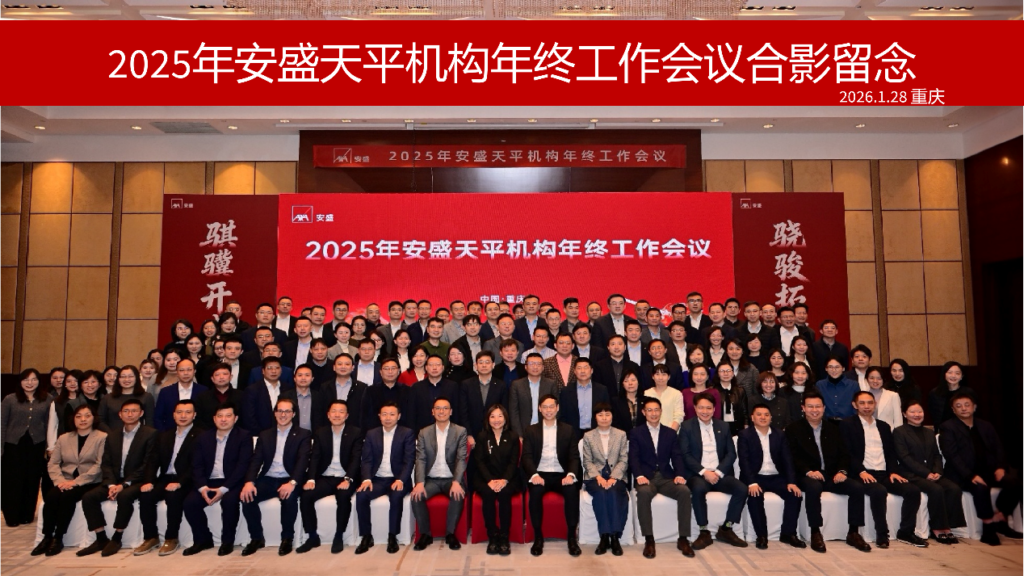
From January 28 to 29, 2026, AXA Tianping’s 2025 Annual Branch Meeting was grandly held in Chongqing. Leaders from AXA Greater China, AXA Tianping management, regional heads, center and branch leaders, along with relevant executives from the headquarters and branches, gathered to comprehensively review the operational achievements of 2025 and systematically outline the strategic blueprint and key priorities for 2026, consolidating consensus and pooling strength for the company’s high-quality development.
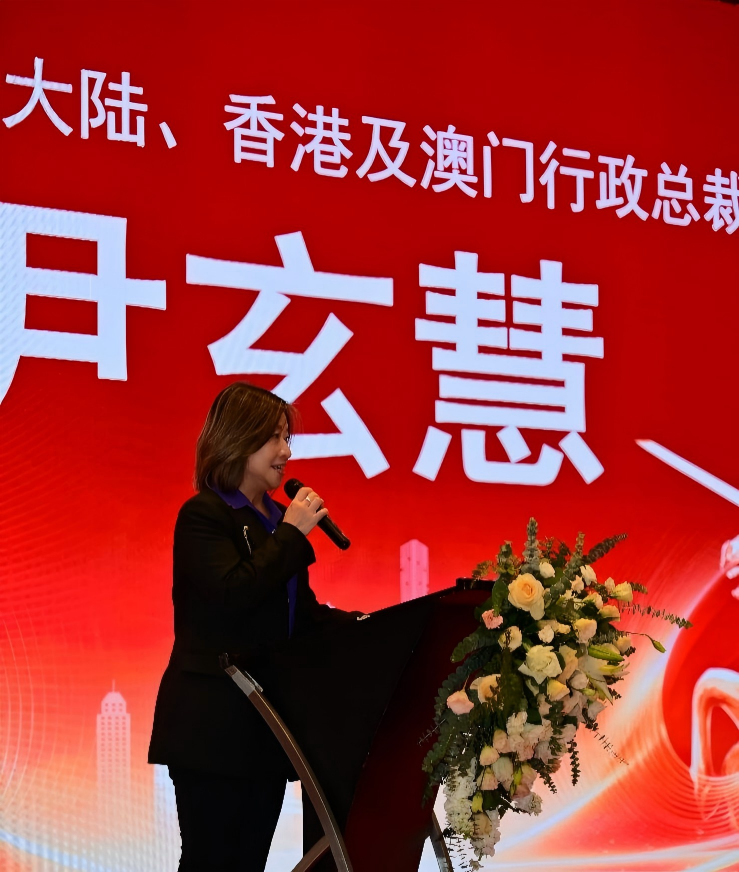
Ms. Sally Wan, CEO of AXA Mainland China, Hong Kong and Macau, delivered the opening address. Sally highly recognized AXA Tianping’s outstanding performance in 2025 and expressed sincere appreciation for the hard work of all colleagues. She conveyed AXA Group and Greater China’s high expectations for AXA Tianping’s development in 2026 and encouraged everyone to continue their efforts and achieve even greater success in the new journey.
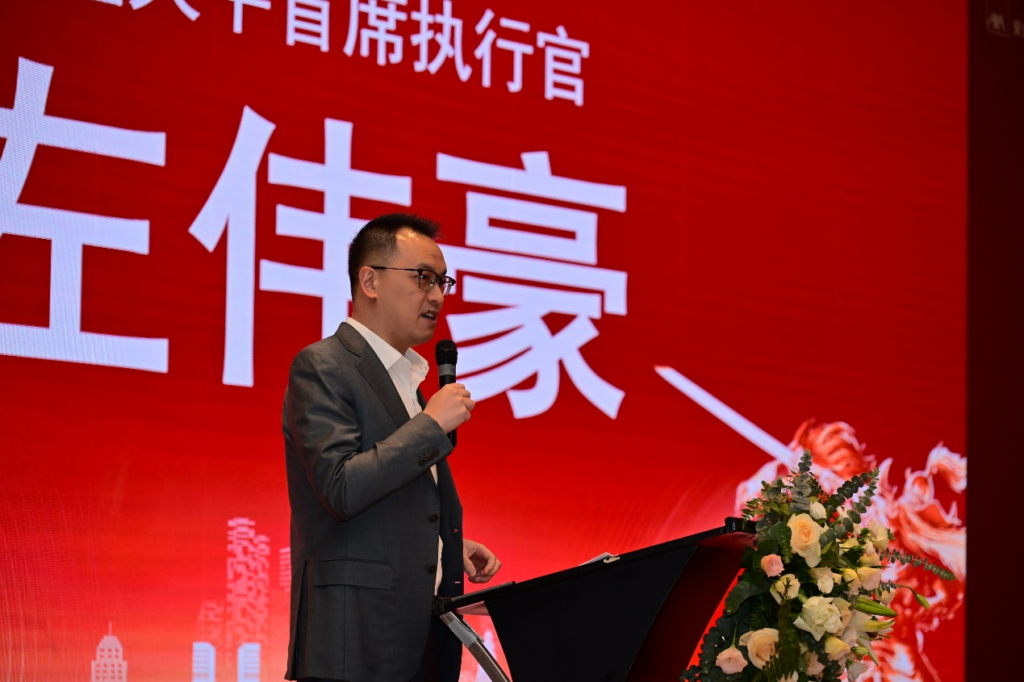
Subsequently, Mr. Kevin Chor, CEO of AXA Tianping, led attendees in reviewing the company’s overall operating performance in 2025. Guided by the strategy of “adjusting structure, stabilizing profits, and driving growth,” the entire organization worked in unity, with close coordination between the head office and branches. Facing market challenges head-on, the company achieved dual improvements in scale and profitability, delivering a substantial annual performance. Kevin emphasized in his summary that the achievements of the past year were hard-won, and 2026 calls for even greater cohesion to build on this momentum and steadily advance toward higher goals.
Chief Financial Officer Mr. Pierre Laur then presented the 2025 financial report, providing a comprehensive analysis of the company’s financial operations. He outlined key requirements for financial control and cost optimization in alignment with the 2026 operational targets, laying a solid financial foundation for the company’s stable development.
Mr. Zhou Liancheng, Vice President of AXA Tianping, announced the 2025 KPI results for regions, branches, and centers, commending their outstanding performance throughout the year. While reviewing the highlights of the structural adjustment efforts in 2025, Mr. Zhou outlined the development path for 2026: continuously strengthening branch sales capabilities, building a “customer-centric” operations service platform, and supporting branches through practical measures to achieve annual performance goals and solidify a foundation for long-term sustainable development.
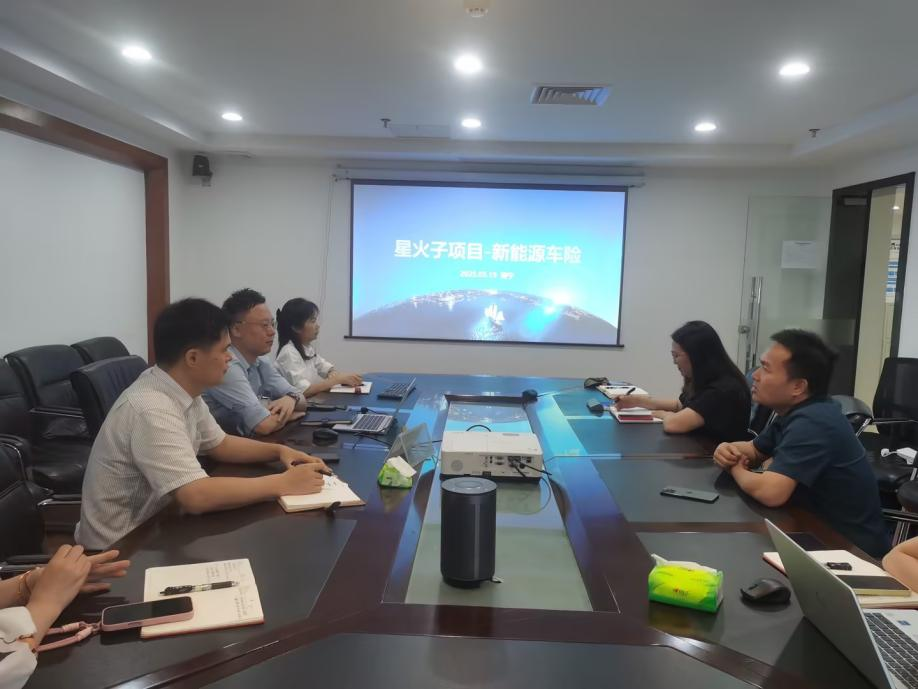
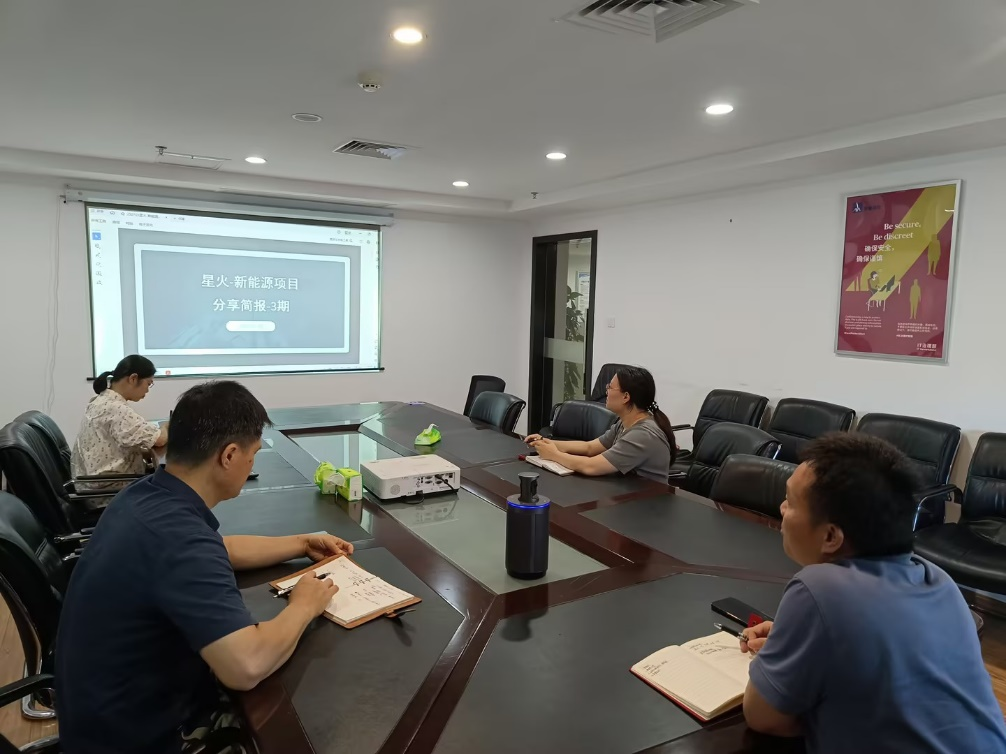
Mr. Bi Yuquan, Chief Strategy Officer, led a review of the progress of “Xinghuo Project.” The session showcased breakthrough results from several cross-branch collaborative projects in areas such as premium growth and cost reduction, highlighting a number of replicable and scalable best practices. “A single spark can start a prairie fire; unity is strength,” Mr. Bi emphasized. He noted that the success of Xinghuo demonstrates the powerful momentum generated by collaborative innovation, and the company will continue to deepen cross-branch and cross-departmental cooperation to unlock new vitality for innovation and development.
Leaders from various business lines and functional departments subsequently presented their work reports. On the business front, motor insurance achieved breakthroughs in both growth and cost control, with plans for 2026 focusing on structural optimization and quality improvement to solidify profitability stability. Health insurance saw steady premium growth, with significant achievements in product iteration and cost optimization; future efforts will center on product upgrades to continuously enhance customer service experience. Commercial insurance achieved a steady increase in renewal rates through cost structure optimization, with a focus on strengthening professional teams to respond steadily to current market changes. Retail insurance continued to adjust its business structure, with notable highlights in direct and distribution channels; this year, focus will be on key areas such as travel insurance and home insurance, addressing market challenges through product upgrades and service improvements. Group insurance experienced steady business expansion, with a growing proportion from small and micro enterprises; future efforts will deepen government-enterprise cooperation and expand the boundaries of inclusive and innovative business. Among functional departments, Claims & Customer Service, Marketing & Public Affairs & Corporate Communications, Human Resources, Risk Management, Legal & Compliance, among others, reviewed their 2025 work achievements and outlined key priorities for 2026 centered around business support, quality control, capability enhancement, and risk prevention, providing solid support for the implementation of the company’s overall strategy.
At the conclusion of the first day, Mr. Michael Lee, Chief Distribution Officer of AXA Mainland China, Hong Kong and Macau, and Mr. Kevin Chor, CEO of AXA Tianping, delivered closing remarks. Mr. Lee highly praised AXA Tianping’s “impressive” achievements in 2025, emphasizing that future development must involve both “holding ground” by reinforcing existing strengths and “breaking new ground” by seeking growth opportunities. Kevin provided detailed comments on the reports from various head office departments, fully acknowledging the collaborative performance across departments and branches. He emphasized that the achievements of 2025 represented a dual victory in both profit and scale, and that the company would continue to strengthen its core capabilities, driving toward a stage of higher quality and more sustainable development. During the session, Mr. Chor also officially announced the upcoming “Third AXA Greater China Summit,” encouraging all branches to strive for qualification and showcase their excellence on a higher platform.
On the morning of the second day, representatives from three major regions and three outstanding branches—Shandong, Jiangsu, and Shanghai—shared their experiences. The presentations covered core topics such as business operations, team building, and channel management, offering valuable and replicable insights and establishing an efficient platform for mutual learning and collective improvement across regions and branches.
In the afternoon of the second day, breakout sessions were held by region. Each region conducted in-depth discussions on work plans and implementation paths for 2026, focusing on their own operational challenges and growth opportunities. Leaders and relevant colleagues from head office departments participated in the discussions, strengthening communication and coordination between the head office and branches through face-to-face interactions and targeted Q&A sessions.
The successful convening of the 2025 Annual branch meeting not only provided a comprehensive review of past achievements and clarified future directions but also consolidated a powerful synergy between the headquarters and branches. As the head office’s strategic blueprint is gradually translated into concrete implementation paths for each branch, the multi-dimensional operational matrix of “adjusting structure, stabilizing profits, and driving growth” is now fully established. Looking ahead to 2026, all colleagues at AXA Tianping will take this conference as a new starting point, uphold a spirit of practical effort, strengthen their sense of collaboration, and dedicate themselves fully to achieving the annual goals, collectively writing a new chapter in the company’s high-quality development journey.