从突围到输出:健康险成本管理的”江苏方案”
From Breakthrough to Replication
The Jiangsu Approach to Health Insurance Cost Management
引言
健康险赔付结构复杂,成本敞口难以预判,不少机构常常陷入“越做越赔、越赔越不敢管”的困局。
当多数人选择收缩观望的时候,安盛天平江苏分公司却做出了一个看似逆势的选择:主动站出来,牵头在多家机构同步推进健康险成本管理。这不是一次简单的降本行动,而是一套从数据诊断到精准干预的系统性“治理方法论”:用模型穿透成本迷雾,因地制宜,对症开方。截至2025年11月,项目正向成本贡献1122.75万元,相较上年同比优化761.85万元。
数字背后,是一套在真实阵痛中锻造出来的能力体系。
项目转型名片
项目名称:健康险成本管理项目
牵头机构:江苏分公司
覆盖机构:北京、广东、浙江、江苏、河南、湖北、天津、东莞、佛山
核心成果:2025年1–11月正向成本贡献1122.75万元,相较2024年同比优化761.85万元
转型关键词:模型搭建、数据驱动、一地一策、从“花钱”到“管钱”
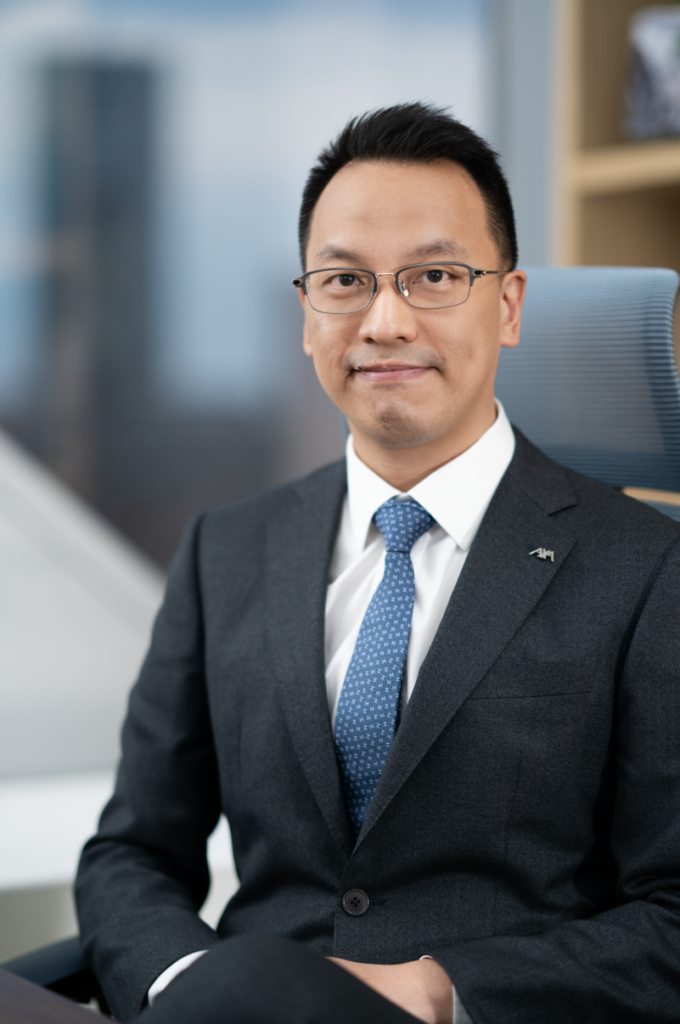
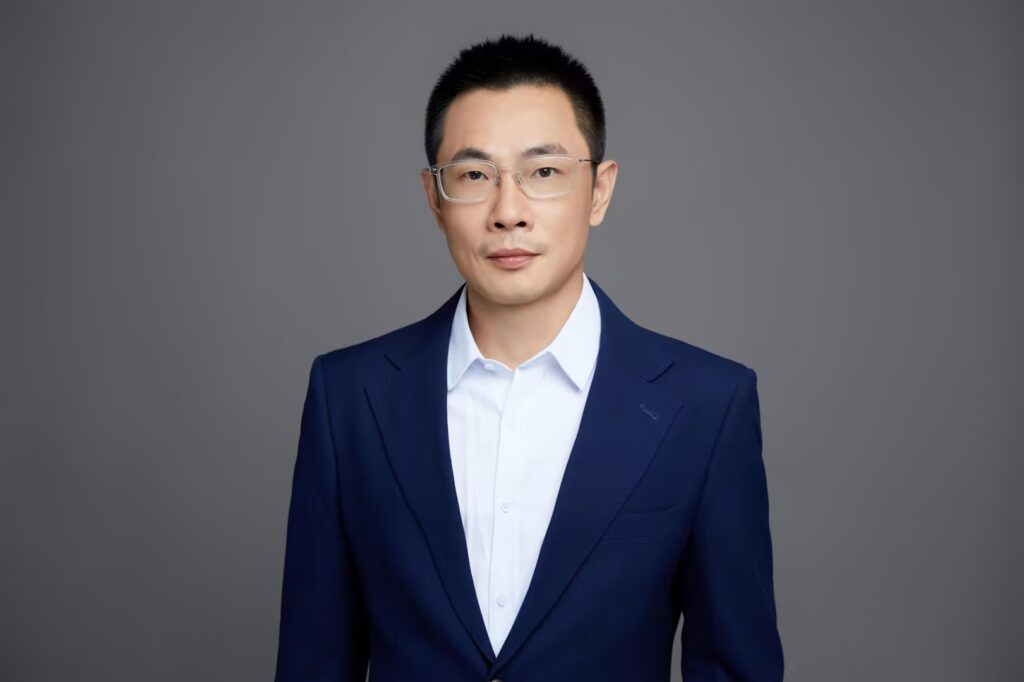
对话机构一把手:江苏分公司总经理江竟华
“成本管理不是会计算账,而是让每一笔保费花得明白、赔得清楚。”
【问题一】牵头跨机构的成本管理项目,意味着要面对错综复杂的人和事,短期见效慢,内部也难免有犹豫和不同看法。当时是什么原因让您决定站出来做这件事?推进过程中遇到分歧时,您是怎么看待、又是凭什么坚持推下去的?
答:健康险赔付结构复杂、成本敞口难以预判,一些机构陷入 “越做越赔、越赔越不敢管” 的困局,要么收缩业务保利润,要么硬扛规模吞亏损,怎么走都是死胡同。
江苏分公司在本地做过小范围的成本分析,做着做着发现:成本失控的根源不只是赔付额高,更在于对成本的认知粗放——不知道钱到底花在哪、哪些是合理支出、哪些是可优化的浪费。但各家机构各自摸索、分散发力,其实都是在重复交学费。与其各家分散试错,不如把经验和数据摆到一张桌面上,一起磨一套做法。这就是当时最朴素的想法。
跨机构协同,有不同声音是正常现象:有机构担心周期长、短期难以见效,怕打乱业务节奏;也有同事把成本管理理解成砍赔付、压费用,担心影响一线。这些声音我认为都很正常,本质上不是对错之争,而是站位不同、对业务价值的判断有差异。
能够坚持往下推,我们主要抓住两个关键点:
第一,多用数据说话。我们没有一上来全面铺开,先拿三级机构做试点,把模型搭起来,一笔一笔把赔付高企、渠道异常的问题点找出来,让大家看到:成本优化的空间是”挖”(挖潜争取)出来的,不是”砍”(硬性削减)出来的,很多顾虑自然就会逐步化解。
第二,守住共同目标,减少不必要的内部消耗。成本管理不是和业务博弈,而是挤出无效成本水分,用释放出来的资源反哺业务。不管哪家机构,我们的共同目标都是健康险业务长期可持续发展。只要大方向一致,路径上的差异都可以磨合。
最后一点,跨机构的项目,牵头方最忌讳:只提要求,不给方法;只在会上推进,拿不出结果。所以我们给自己定了条规矩——先跑通江苏自己,先拿出看得见的结果,用实践成果再去和兄弟机构凝聚共识、协同共进。
【问题二】对于牵头这个项目,自己和江苏分公司具备哪些条件能够推进这项工作?
答:说实话,当时的条件谈不上多成熟,更多是我们起步稍早,踩过一些坑,攒下一些实践基础,“敢于试一试”。
在项目启动前,我们通过了月度两核会议,已经坚持一年多的月度两核复盘机制,常态化拆解赔付、剖析各机构成本结构,相当于在本地完成了一轮预演,哪些地方在漏水,心里大致有数,不至于完全从零出发。
但我们也清醒意识到,只停留在闭门核算数据,解决不了真实业务问题。所以我们组建了“业务+数据+理赔”复合型团队,既有懂业务的健康险骨干,也有数据分析、理赔专业人员,能够把数据逻辑嵌入真实业务场景,而不是纸上谈兵。
最重要的是,公司层面有共识基础。“降本增效”导向明确,各机构也都在找自己的出路,这是项目能推起来的土壤。
至于跨机构怎么协同、怎么适配不同地区的业务节奏,整套方法论不是江苏单方面的成果,这些都是项目推进过程中和各家兄弟机构一边磨合、一边迭代出来的。
【问题三】在目前的健康险市场环境下,经过这一年的项目实践,您对健康险业务的发展有什么新的思路或建议?
答:说实话,健康险是需要精耕的赛道,我也只是个虔诚行进者,实在谈不上有资格给行业“开方子”。只能把最深的几点体会摆出来,供大家交流探讨。
第一,成本管理需要往前端走,不能只守后端。我们以前做成本管理,大部分精力放在事后复盘——赔完了再去看哪里出了问题。这当然有必要,但问题在于:你看到答案的时候,损失已经发生了。往前端走,产品怎么设计、渠道怎么选、客户怎么筛?思路的转变,比事后修修补补管用得多。
第二,不要试图用一套标准“通吃”所有市场。 光是江苏,各地市的医疗环境、客群结构、渠道特点差别就很大,一套标准套不下去。病灶不同,药方自然不同。一套标准打天下,省事但不管用。
第三,成本管理的位置变了,要从项目变成日常经营。这一年的感受是,它正在变成机构经营治理里的一项基本功。希望本次探索出来的方法能变成可复用的标准能力,可以帮助到各三级机构逐步建立成本管控的意识与实操方法,推动业务从单纯“花钱”,转向更加注重“管钱”。
健康险正逐步告别靠规模拉动的阶段,进入精耕细作。规模只是表象,经营质量才是底盘。往后比的不再只是谁做得大,而是谁的账更清、更稳。
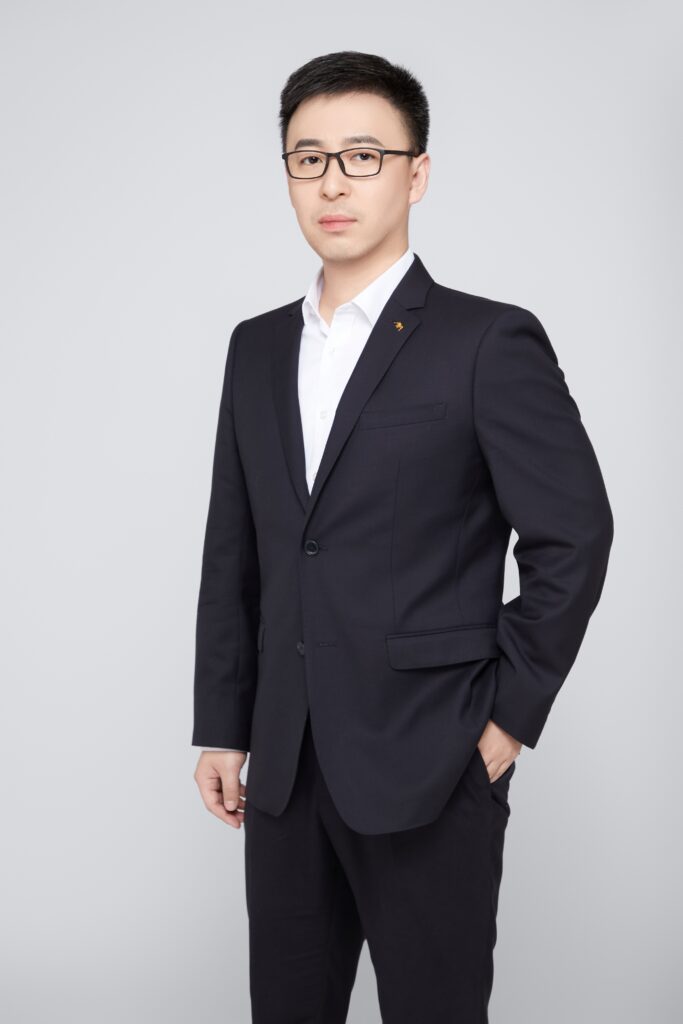
对话项目负责人:江苏分公司副总经理周荣斌
【问题一】在项目执行过程中,有没有让你们自己都没想到的发现?例如说,本来以为问题在这里,数据一跑,完全是另一回事?能不能还原一个印象最深的”反转时刻”?
答:有,这个印象特别深。
项目启动前,我们内部有一种惯性认知:赔付高、成本控不住的核心原因跟当地医疗定价高、医疗机构行为不规范相关,其本质是“外部环境决定论”。从全国的客户群看,大家普遍认为少儿单赔付高,拉高了整体赔付率,因此策略上倾向于优化少儿单结构,提升成人单占比。
但困惑也在这里:数据到底是多少,问题究竟在哪里?是客群,是三级机构,是部分渠道,还是获客来源?很多问题并不太清楚。
通过建立模型,完善维度,跑出数据来之后,发现跟预设有不少差别。
比如,我们一直认为三级机构中徐州赔付率很高,是当地保险环境恶劣导致的。通过数据发现,徐州的问题主要出在部分渠道的获客来源上,导致赔付率居高不下;合作的传统渠道赔付率虽然也高,但整体是可控的;此外,江苏机构的儿童单赔付率在60%左右,远低于全国均值。这都是我们在项目推进中一点点发现的“刻板印象的反转”。
【问题二】听说中间有段时间数据跑不通,团队靠手工搓表格撑着,那段时间是什么状态?同时跟进多家机构,执行上最头疼的是哪些地方?还有哪些让你印象深刻的困难或者趣事?
答:项目刚刚成立时,虽然有比较清晰的规划,但第一步取数时就发现,现有的系统报表无法完整体现机构、产品、渠道、已决、未决、是否家庭单等信息,而业务报表和理赔报表又缺乏较多共通字段,难以做到精确匹配。
后来我们联合销管部、理赔部、意健险部坐下来反复讨论,最终形成了一个三步走的思路:每月固定时间,由理赔部调取报表提供给销管部,销管部把已有信息字段和回算后的手工业务报表匹配,形成成本看板,再由意健险部将渠道数据进一步拆解还原到每家三级机构。
那段时间,我们每周两次研讨会议,一张成本结构表要反复核对五六个版本,完全靠人工把不同维度的数据“搓”到统一口径。。过程很磨人,但现在回过头看,那段”手工搓表”的日子反而是好事:我们把底层口径、业务逻辑靠人工磨透了,后面真正跑起来的时候,反而不容易出现“系统数据和业务实际两张皮”的问题。
这也给了我们与六家兄弟机构共同推动成本管理项目的信心。一开始最大的痛点是各家机构基础不同、口径不一,加上人手不够、畏难情绪、团队磨合等问题,从项目启动到步入正轨,也经历了比较长的磨合周期。
印象比较深刻的困难,还有刚开始认知层面的抵触:一开始不少机构认为成本问题是总部调出来的,跟自己关系不大,配合度不高。后来我们带着江苏跑通的数据模型给大家展示,把成本异常的点、可优化举措精准列出来。当问题变得一目了然,大家反而主动追着问工具表怎么做了。
【问题三】面对不同机构在数据处理能力上的巨大差异,项目执行中是如何做减法的?哪些是必须统一的标准动作,哪些地方允许因地制宜的弹性空间?这条边界是怎么划出来的?
答:我们的思路很明确:不做一刀切的减法,而是把”必须统一的”和”允许灵活的”分开说清楚。
必须统一的底线:
首先,设定项目模块的进度标准,对照季度进度推进,确保各家在同一进度水平线上。
其次,每家机构调取可直接获得的成本数据,将这些数据与产品、渠道相结合。哪怕颗粒度粗一点,也能保证每家机构都能做最基本的成本数据监控。
最后,统一项目推进流程,定期召开项目推进会议,通过“数据提取-定位分析-干预策略-月度复盘”的固定机制,确保每个机构都走在正确的项目逻辑里。
允许灵活的空间:
具体怎么干,各家根据自身情况来定。
比如江苏还原到了每家三级机构,重点对机构渠道进行业务策略调整;广东本身COR比较好,主要通过日常数据监控和过程管理控制成本;浙江以互联网平台为主,就区分渠道做出成本看板。北京通过三家流量法,来监控赔付数据变量。
病灶不同,药方自然不同。我们不做具体动作的硬性要求,但管过程,给交流平台,验收结果。
这条边界说白了就是:规则和底线统一,方法和路径因人而异。
【问题四】这个项目不仅是提供管理工具,更是对健康险成本管理思路的培养。经过这一年,您对机构在健康险成本管理的流程和方法上有什么沉淀下来的建议?在思路和意识层面,这个项目留下了什么?
答:江苏分公司的健康险成本检测表,到现在我们还一直在使用。通过过程中的反复打磨、调整,用清晰的数据与机构沟通,管理上比以前清晰多了。值得一提的是,今年徐州机构的赔付率较同期下降了20%,这个变化让我们挺受鼓舞的。
我觉得项目留下的最有价值的沉淀,从来不是一套工具或者一组数字,而是一套可复制的方法论,以及一层团队的经营意识升级。
从流程方法上说,我们沉淀了一套“诊断-干预-复盘”的健康险成本管理闭环。现在,它也是我们机构健康险经营管理的常规动作,是可以直接平移复制的方法论。
从意识层面说,最大的转变是从单纯的“销售思维”到“管钱思维”,也就是“经营思维”。以前大家聊成本,习惯事后算“赔了多少”,想着怎么砍费用开源节流;现在会提前规划成本结构、事中管控异常风险、事后看价值产出,这是大家“主动经营”意识的变化。
长远来看,我们还带出了一批既懂业务、又懂数据分析的成本管理干部。正向成本贡献只是阶段性结果,但方法能复用、成本管理意识能留下来,这是这个项目真正有长期价值的地方。
Introduction
Health insurance has a complex claims structure, and cost exposure can be difficult to predict. Many branches find themselves trapped in a cycle: the more business they underwrite, the more they lose; the more they lose, the more reluctant they become to take control.
While many chose to scale back and wait, AXA Tianping’s Jiangsu Branch made a seemingly counterintuitive choice: it stepped forward to lead a health insurance cost management initiative across multiple branches. This was more than an exercise in reducing costs. It was a systematic approach to managing the business, from diagnosing issues through data to taking targeted action. Models helped make costs transparent, while interventions were tailored to local conditions and specific problems. By November 2025, the project had generated a positive cost contribution of RMB 11.2275 million, an improvement of RMB 7.6185 million over the same period of the previous year.
Behind these figures is a set of capabilities developed through the practical challenges of change.
Project Profile
Project name: Health Insurance Cost Management Project
Lead branch: Jiangsu Branch
Participating branches: Beijing, Guangdong, Zhejiang, Jiangsu, Henan, Hubei, Tianjin, Dongguan and Foshan
Key results: A positive cost contribution of RMB 11.2275 million from January to November 2025, an improvement of RMB 7.6185 million over the same period in 2024
Transformation themes: Model building, data-driven decisions, strategies tailored to each location, and a shift from spending money to managing it
Dialogue with Jiang Jinghua, General Manager of Jiangsu Branch
“Cost management is more than balancing the books. It means knowing how every premium is spent and how every claim is paid.”
Question 1:Leading a cost management project across branches means dealing with complex relationships and issues. Results take time, and there are bound to be doubts and differences of opinion internally. What made you decide to take the lead? How did you view disagreements along the way, and what gave you the resolve to keep going?
Answer: Health insurance has a complex claims structure, and cost exposure is difficult to predict. Some branches become trapped in a cycle of writing more business, losing more money and becoming increasingly reluctant to take control. They either shrink the business to protect profits or maintain volume while absorbing losses. Neither path offers a way forward.
Jiangsu Branch had already carried out some local cost analysis on a small scale. As we worked through it, we found that costs were getting out of control not only because claims payments were high, but also because our understanding of costs was too broad. We did not know exactly where the money was going, which expenses were justified, or which represented waste that could be reduced. When every branch explores the issue independently, everyone ends up paying to learn the same lessons. Rather than continue that scattered trial and error, we wanted to bring our experience and data together and develop an approach jointly. That was the simple idea behind the project.
Different views are a normal part of working across branches. Some worried that the project would take too long to produce results and disrupt their business plans. Others understood cost management as cutting claims payments and squeezing expenses and were concerned about the impact on frontline teams. I thought those concerns were entirely understandable. They were less a question of who was right or wrong than a reflection of different perspectives and judgments about business value.
Two things helped us keep the project moving.
First, we let the data speak. We did not roll out everything at once. We began with pilots at city-level branches, built the model, and examined the data item by item to identify high claims costs and unusual channel performance. This showed people that opportunities to improve costs come from uncovering potential, rather than imposing arbitrary cuts. As that became clear, many concerns gradually eased.
Second, we stayed focused on our shared goal and reduced unnecessary internal friction. Cost management is not a contest with the business. It removes avoidable costs and puts the resources released back into the business. Whichever branch we work in, we share the goal of making health insurance sustainable over the long term. As long as we agree on that direction, differences in how we get there can be worked through.
There is one more point. In a project across branches, the lead branch must avoid making demands without providing methods or talking about progress in meetings without delivering results. We set ourselves a rule: first make the approach work in Jiangsu and produce visible results. We could then use those results to build agreement and move forward with our fellow branches.
Question 2:What were the conditions for leading this project and move the work forward?
Answer: To be honest, we were not particularly well prepared in every respect. We had simply started a little earlier, encountered some pitfalls and built up a practical foundation. That gave us the confidence to try.
Before the project began, we had held monthly underwriting and claims review meetings for more than a year. We regularly broke down claims data and analyzed each branch’s cost structure. In effect, we had already completed a local trial run. We had a reasonable idea of where the money was leaking away, so we were not starting from scratch.
We also knew that analyzing figures in isolation would not solve real business problems. We therefore assembled a team combining business, data and claims expertise. It included experienced health insurance professionals, data analysts and claims specialists who could apply the logic of the data to actual business situations.
Most importantly, there was a basis for agreement across the company. The direction of reducing costs and improving efficiency was clear, and every branch was looking for a way forward. That created the conditions for the project to take shape.
As for coordinating across branches and adapting to the pace of business in different regions, the overall approach was not developed by Jiangsu alone. It evolved as we worked with our fellow branches, adjusted to one another and refined the methods during implementation.
Question 3:Given the current health insurance market and your experience over the past year, what new ideas or suggestions do you have for developing the health insurance business?
Answer: To be honest, health insurance is a business that requires careful cultivation. I am still learning as I go, and I would not claim to be in a position to prescribe solutions for the industry. I can only share a few of the lessons that have stayed with me, as a basis for discussion.
Cost management needs to move upstream instead of focusing only on what happens after claims arise. We used to devote most of our effort to reviewing results after the event, looking for problems once claims had been paid. That is necessary, of course, but by the time you have the answers, the losses have already occurred. Moving upstream means considering how products are designed, how channels are selected and how customers are screened. That change in thinking is much more effective than trying to repair problems afterwards.
We should not expect one set of standards to work in every market. Even within Jiangsu, cities differ substantially in their healthcare environments, customer profiles and distribution channels. A single approach cannot accommodate all those differences. Different problems call for different solutions. Applying the same standard everywhere may be convenient, but it does not work.
The role of cost management has also changed. It needs to become part of everyday business management rather than remain a standalone project. Over the past year, we have seen it become a basic capability in running a branch. I hope the methods developed through this initiative can become a standard capability that others can reuse, helping city-level branches gradually build both an awareness of cost control and the practical skills to carry it out. That would move the business from simply spending money to paying closer attention to how it is managed.
Health insurance is gradually moving away from growth driven by volume and toward more careful management. Scale is what you see on the surface; the quality of the business is what supports it. In the future, success will depend not only on who writes the most business, but also on who manages their finances more clearly and consistently.
Dialogue with Zhou Rongbin, Deputy General Manager of Jiangsu Branch
Question 1:Did you discover anything during implementation that surprised even your own team? For example, did you think the problem lay in one place, only for the data to tell a completely different story? Could you describe a particularly memorable moment when your assumptions were overturned?
Answer: Yes. One example has stayed with me.
Before the project began, we had an established assumption: high claims costs and difficulty controlling costs were mainly caused by high local medical prices and irregular practices at healthcare providers. In essence, we believed that the external environment determined the outcome. Looking at the customer base nationwide, people generally believed that policies covering children had high claims costs and pushed up the overall loss ratio. Our strategy therefore tended to focus on improving the mix of children’s policies and increasing the proportion of adult policies.
But that was also where our uncertainty lay. What did the numbers show, and where exactly was the problem? Was it the customer segment, the city-level branch, a particular channel, or the source of customer acquisition? Many of these questions remained unanswered.
Once we built the model, added more dimensions to the analysis and produced the data, we found quite a few differences from our initial assumptions.
For example, we had always believed that Xuzhou’s high loss ratio was caused by an unfavorable local insurance environment. The data showed that the main problem lay in the sources of customers acquired through certain channels, which kept the loss ratio high. The traditional distribution channels we worked with also had high loss ratios, but their overall performance was manageable. We also found that the loss ratio for children’s policies in Jiangsu was around 60%, well below the national average. These were assumptions that the project overturned, one discovery at a time.
Question 2:We heard there was a period when the data process would not work and the team kept things going by manually assembling spreadsheets. What was that period like? When following up with several branches at once, what were the most difficult aspects of execution? Were there any other memorable challenges or interesting moments?
Answer: When the project was first set up, we had a fairly clear plan. But as soon as we tried to extract the data, we found that the existing system reports did not fully capture information such as branch, product, distribution channel, settled and outstanding claims, or whether a policy covered a family. The business and claims reports also lacked enough common fields to match them accurately.
We then brought together the Sales Management, Claims, and Accident and Health departments for a series of discussions. Eventually, we agreed on a three-step process. At a fixed time each month, Claims would extract reports and provide them to Sales Management. Sales Management would match the available information fields against manually prepared business reports reconstructed through back-calculation, creating a cost dashboard. Accident and Health would then break down the channel data further and allocate it to each city-level branch.
During that period, we held two working sessions each week. A single cost structure spreadsheet might go through five or six versions of checks. We relied entirely on manual work to reconcile data from different dimensions under consistent definitions. It was painstaking, but looking back, those days of manually piecing spreadsheets together turned out to be valuable.
By working through the data manually, we developed a thorough understanding of the underlying definitions and business logic. Once the process was running properly, that made it less likely that system data and the reality of the business would tell different stories.
This also gave us the confidence to work with six fellow branches on the cost management project. The biggest difficulties at the start were different starting points and inconsistent data definitions, compounded by limited staffing, anxiety about the task and the time needed for teams to work well together. It took a fairly long period of adjustment before the project settled into a regular rhythm.
Another memorable challenge was the initial resistance in how people understood the issue. Quite a few branches thought the cost problems came from allocations made by headquarters and had little to do with them, so they were not particularly engaged. We later demonstrated the data model that had worked in Jiangsu, clearly identifying unusual costs and specific actions for improvement. Once the problems became easy to see, people started asking us how to build the worksheets themselves.
Question 3:Branches differ greatly in their ability to process data. How did you simplify the work during implementation? Which standard steps had to be consistent, and where could branches adapt to local conditions? How did you decide where to draw that line?
Answer: Our approach was clear: instead of simplifying the work in the same way everywhere, we explicitly separated what had to be consistent from what could remain flexible.
Common Minimum Requirements
First, we set progress requirements for each project module and worked toward quarterly milestones, so that all branches advanced on a comparable schedule.
Second, each branch extracted the cost data it could readily obtain and linked it to products and channels. Even if the data was less granular, every branch could still carry out basic cost monitoring.
Finally, we standardized the implementation process and held regular project progress meetings. A fixed cycle of data extraction, problem identification and analysis, intervention planning, and monthly review kept each branch working within the same project framework.
Local Adaptation
Each branch decided how to carry out the work based on its own circumstances.
For example, Jiangsu broke down the data to each city-level branch and focused on adjusting business strategies for individual branches and distributors. Guangdong already had a favorable combined ratio (COR), so it mainly controlled costs through routine data monitoring and process management. Zhejiang’s business was largely based on internet platforms, so it created separate cost dashboards by channel. Beijing used the “sanjia liuliang” method to monitor changes in claims data.
Different problems naturally call for different solutions. We did not prescribe specific actions, but we managed the process, provided a forum for sharing experience and assessed the results.
Put simply, the rules and minimum requirements were consistent, while the methods and implementation paths varied according to each branch’s circumstances.
Question 4:This project provides management tools, but it also develops a way of thinking about health insurance costs. After a year of work, what practical advice would you give branches on their cost management processes and methods? What has the project left behind in terms of thinking and awareness?
Answer: We still use Jiangsu Branch’s health insurance cost monitoring worksheet today. By repeatedly refining and adjusting it during the project, and using clear data in discussions with branches, we have made management much clearer than before. One encouraging result is that Xuzhou’s loss ratio fell by 20% this year compared with the same period last year.
I think the most valuable thing the project has left behind is not a set of tools or a collection of figures. It is an approach that can be replicated, together with a stronger understanding within the team of how to manage the business.
In terms of processes and methods, we have established a complete health insurance cost management cycle of diagnosis, intervention and review. It is now part of routine health insurance management at our branch, and it is an approach that can be transferred and replicated directly.
In terms of awareness, the biggest change has been from a purely sales-oriented mindset to a focus on managing money, or, in other words, managing the business. Previously, discussions about costs usually happened after the event: we would calculate how much had been paid in claims and consider how to cut expenses, increase revenue and save money. Now we plan the cost structure in advance, control unusual risks as the business runs, and assess the value created afterwards. That reflects a shift toward taking an active role in managing the business.
Over the longer term, we have also developed a group of cost management leaders who understand both the business and data analysis. The positive cost contribution is an interim result. The lasting value of this project lies in methods that can be reused and an awareness of cost management that stays with the team.